
What Garden Equipment Do I Need?
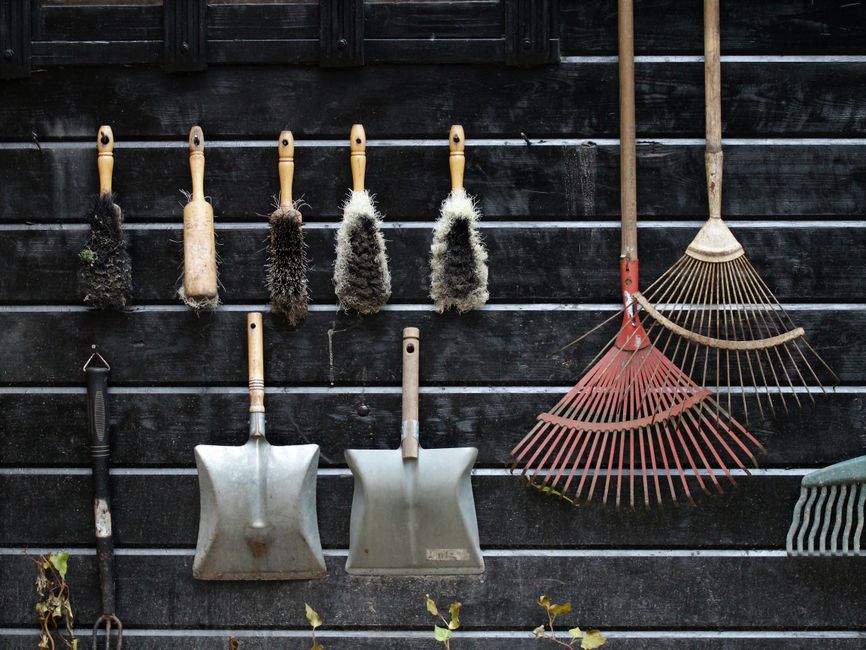
Garden equipment should be chosen by task and garden size: start with gloves, a trowel, a small pruner, and a watering can, then add digging, weeding, raking, or pruning tools only when your garden requires them. For larger or occasional jobs, compare storage, upkeep, and expected use before buying powered or specialist equipment. The useful principle is to build a set around work you actually do, rather than collecting tools by category.
What equipment is commonly used in a garden?
Common garden equipment includes hand tools for digging, planting, pruning, weeding, watering, and moving materials. Penn State Extension’s Master Gardener Program identifies a trowel, gardening gloves, small pruner, and watering can as basic tools for a beginner. Its guidance is deliberately compact: weigh quality, ergonomics, cost, and environmental impact, then add equipment as needs arise.
For soil preparation and general bed care, Oregon State University Extension Service describes the hoe, rake, and spading fork as commonly used tools. A hoe prepares beds and removes weeds; a rake clears debris, levels soil, and spreads mulch; a spading fork loosens soil. A trowel is useful for small digging jobs and transplanting. These tools overlap less than a long equipment list suggests: each solves a different scale or kind of task.
Pruning requires a separate set of choices. Shears handle smaller cuts, loppers extend leverage for thicker branches, and a pruning saw is suited to larger branches. Hedge shears shape hedges, while a pole saw extends reach and needs careful handling. A watering can serves small areas; larger gardens may require a powered or hose-based solution, selected for the area and task rather than as an automatic upgrade.
What are 10 essential tools for gardens?
Ten tools often cover a home garden, but only four make a broadly useful starting point: gloves, a trowel, a small pruner, and a watering can. Penn State recommends adding tools as needs emerge, so the remaining items are conditional essentials for gardens with beds, weeds, larger plants, or material-moving tasks.
- Gardening gloves: protect hands during routine work.
- Trowel: handles small digging and transplanting.
- Small pruner: cuts small stems and branches.
- Watering can: delivers water to plants in a manageable area.
- Hoe: prepares beds and removes weeds.
- Rake: clears debris, levels soil, and spreads mulch.
- Spading fork: loosens soil.
- Spade: digs and edges beds.
- Lopping shears: cut thicker branches than hand pruning shears.
- Hand saw: handles larger pruning cuts where shears are unsuitable.
This is a task-based list, not a required shopping basket. A container gardener may need only the first four; a garden with established shrubs may need pruning tools, while a bed that is already prepared may not need a hoe or fork. Oregon State advises choosing quality over quantity and keeping tools clean and sharp.
What are 20 common garden tools and what are their uses?
Twenty common tools can be understood by the job each performs. Some are general-purpose; others are only useful when a specific condition exists, such as hard-packed soil or long taproots.
| Task | Tool | Use |
|---|---|---|
| Planting | Trowel | Small digging and transplanting |
| Planting | Gloves | Hand protection during garden work |
| Watering | Watering can | Watering plants in a small area |
| Digging and edging | Spade | Digging and making bed edges |
| Moving material | Curved-head shovel | Moving soil or other materials |
| Soil preparation | Spading fork | Loosening soil |
| Bed preparation and weeding | Hoe | Preparing beds and removing weeds |
| Clearing and spreading | Rake | Clearing debris, leveling soil, spreading mulch |
| Pruning | Bypass pruners | Scissor-like cuts on live wood |
| Pruning | Anvil pruners | Pressing cuts suited to dead wood |
| Pruning | Lopping shears | Cutting branches beyond the capacity of hand pruners |
| Pruning | Hand saw | Cutting larger branches |
| Pruning | Tri-cut or razor-tooth pruning saw | Specialized saw cuts on branches |
| Hedge care | Hedge shears | Trimming hedges |
| Reach | Pole saw | Extending reach for pruning |
| Targeted weeding | Dandelion digger | Removing weeds with long taproots |
| Hard soil | Pickax | Addressing hard-packed soil |
| Hard soil | Mattock | Working hard-packed soil |
| Lawn and bed care | Powered mower | Cutting lawn grass where a lawn is present |
| Broad or demanding tasks | Powered garden tool | Mechanizing a task when its scale justifies it |
Pruning capacity helps make the distinctions concrete. The University of Minnesota Extension says pruning shears suit branches up to 3/4 inch in diameter, lopping shears handle branches up to 1 1/2 inches, and hand saws are important for branches over 1 inch; specialized pruning saws can cut branches up to 4 inches. These are overlapping guidelines, so branch position, tool condition, and safe access still matter. Leave large-tree pruning to qualified professionals, and never use a chainsaw above shoulder height or while standing on a ladder.
Which garden equipment do I actually need for a small garden?
For a small garden, you usually need only hand tools matched to its plants and surfaces: a trowel, gloves, a small pruner, and a watering can are a sensible base. Add a hoe or rake if you maintain open beds, and choose pruning equipment only when plants need it.
For containers or a few small beds, the compact Penn State set avoids spending on tools designed for acreage. A typical home garden may justify a spade or fork for soil work, a rake for clearing and spreading, and pruning shears for shrubs. A larger plot can make broader equipment useful, but its size alone does not settle the question: recurring tasks, access, storage, and maintenance determine whether powered tools earn their place.
Fit is part of the decision, not a finishing detail. Penn State Extension advises matching handle length to your height and checking grip, balance, and weight. The head should help with the work without tiring you quickly. Material also involves trade-offs: carbon steel holds an edge but can rust and pit; stainless steel resists rust but is harder to sharpen; fiberglass is light and strong, while metal handles are durable but heavier.
Before buying, match tool type to the work: a straight spade digs and edges, while a curved shovel head moves materials; bypass pruners cut live wood and anvil pruners suit dead wood. For powered tools, read and follow operating instructions, keep guards in place, clear debris from the work area, and wear suitable clothing and eye protection; hearing protection may be needed. The CPSC also advises against using electric power tools in wet or damp conditions and recommends a ground-fault circuit interrupter. Disconnect power or the spark-plug wire before clearing a jam or adjusting near moving parts.
Use a buy-or-rent test for heavy-duty equipment: estimate how often the task will recur, whether there is safe storage space, and whether routine maintenance is manageable. For a single difficult job, a specialist hand tool may solve the actual problem: Oregon State points to a pickax or mattock for hard-packed soil and a dandelion digger for long taproots. The sources do not set rental prices or a universal break-even point, so compare local hire costs with purchase and upkeep rather than treating occasional use as a reason to own.
Frequently Asked Questions
Should I buy or rent heavy-duty garden equipment for one-off jobs?
For a one-off task, compare the purchase with rental in practical terms: how often you expect to use the equipment, whether you can store it safely, and whether you can maintain it. The sources do not provide rental prices, so compare local costs rather than assuming one option is always cheaper. A specialist tool for a single problem may be unnecessary if a suitable hand tool can do the job.
What should I check before buying a spade, pruners, or powered garden tool?
For a spade, check that its handle suits your height and that the grip, balance, and weight feel manageable; a spade is suited to digging and edging, while a curved shovel head moves materials. Choose bypass pruners for live wood and anvil pruners for dead wood. For powered equipment, read the instructions, check that guards are in place, and identify the manufacturer-recommended protective gear.
How do I clean and store garden equipment so it lasts?
Remove visible soil and plant debris with soap, water, and a stiff brush, then dry tools before storage. Disinfect tools after working on infected plants, before moving between sites, and before seasonal storage or use; bleach can corrode pruning-tool metal. Keep tools clean and sharp, and store them away from paths with sharp ends pointed toward the ground.
Sources
- Penn State Extension, Master Gardener Program — Tools of the Trade
- Oregon State University Extension Service — An Educator's Guide to Vegetable Gardening
- Penn State Extension — Using the Right Tool is Self-Care
- University of Minnesota Extension — Pruning Trees and Shrubs
- University of Minnesota Extension — Clean and Disinfect Gardening Tools and Containers
- U.S. Consumer Product Safety Commission — CPSC Warns About Lawn and Garden Care Hidden Hazards
Related reading

Which Low-Maintenance Foundation Shrubs Fit My Home and Yard?
Choose low-maintenance foundation shrubs by matching mature size, sun, drainage, clay soil, deer pressure, and house clearance.
How Can I Improve My Front Yard Curb Appeal on a Budget?
Plan durable, low-cost front-yard upgrades that sharpen curb appeal without creating extra replacement and maintenance work.

Scratch and Dent Zero Turn Mowers: Buy With Confidence
Compare condition, local prices, warranty, and return terms before buying a scratch and dent zero turn mower.
New Riding Mowers: Choose the Right Fit for Your Yard
Choose new riding mowers by matching mower type and deck width to your yard, then compare service support and total ownership costs.