
How Can I Improve My Front Yard Curb Appeal on a Budget?
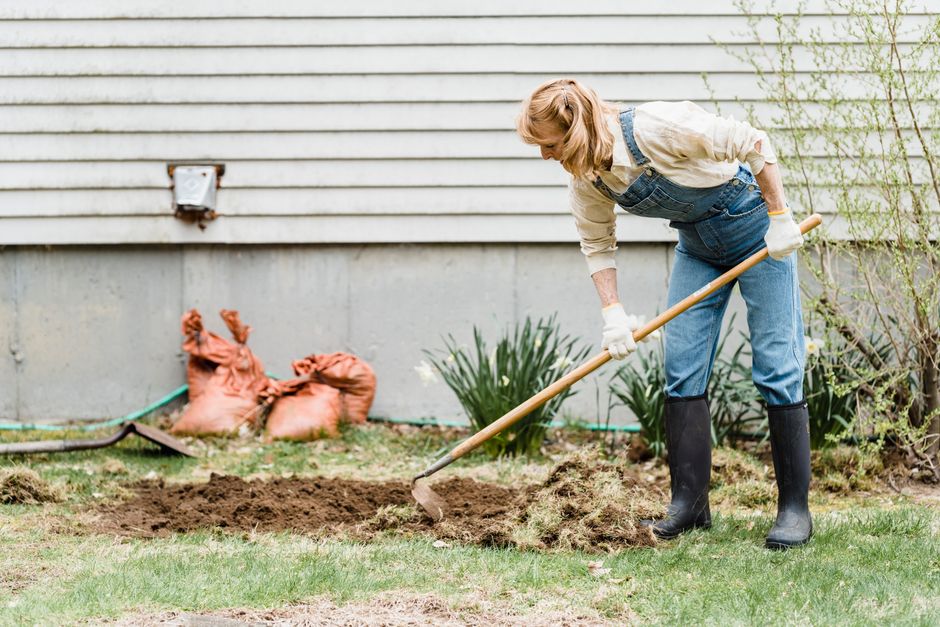
Improve curb appeal cheaply by defining one or two planting beds, removing weeds before adding mulch, repeating a small plant palette at mature spacing, and using a durable edge rather than temporary plastic. Do the work in the right order: decide on any future walk or patio first, then install only the bed definition, mulch, and plants that will remain useful after that larger project.
What are the cheapest ways to make my front yard look better?
The cheapest high-impact move is editing the scene: create a clean bed line, remove visible weeds, and make a few materials repeat. That reduces visual noise without requiring a full landscape renovation.
Start with the permanent decisions. Mark the eventual route of a patio, path, or front walk before planting or mulching. Then define beds outside that route. A small project feels expensive when it must be removed later; a modest project earns its keep when it survives the next phase.
- Set the footprint. Keep future hardscape and access routes out of planting areas.
- Clear the bed. University of Massachusetts Amherst says established perennial weeds should be removed before mulch goes down; mulch works best against small annual weeds, winter annuals, and seedling perennials.
- Mulch to the right depth. Use 3 to 4 inches around newly planted trees and woody ornamentals, and 2 to 3 inches around herbaceous perennials, according to University of Massachusetts Amherst.
- Buy fewer plant types. Repeat them rather than scattering one of everything across the yard.
For trees, University of Minnesota Extension also recommends keeping a 6-inch mulch-free ring around the trunk to reduce root-rot and insect risks. This is a small detail. It is also the difference between mulch that frames a planting and mulch that creates a maintenance problem.
| Upgrade | Visual job | Lifespan signal from the sources | Maintenance trade-off |
|---|---|---|---|
| Wood chips or shredded bark | Unifies planted beds | Slow decomposition and good longevity | Organic material breaks down, so renew it as needed |
| Gravel or stone | Defines routes or permanently unplanted areas | Long-lasting | Best reserved for walkways or areas meant to stay unplanted |
| More permanent plants | Builds structure over time | Works when sized for mature spacing | Overplanting creates later competition and replacement work |
| Temporary work in a future patio area | Creates a short-term improvement | No lasting value once removed | Creates duplicate labor and material waste |
Keep the cost decision plain: spend first on the parts you will not undo. The same discipline applies when weighing other household choices, including whether to pay cash or finance a car when you have savings. The upfront price is only one part of the decision; replacement work counts too.
What landscaping upgrades make the biggest difference for curb appeal?
The biggest difference comes from a coherent design, not a crowded shopping cart. In a seven-state consumer survey summarized by Virginia Cooperative Extension, design sophistication accounted for 42% of perceived landscaping value, ahead of plant size at 36% and plant-type diversity at 22%.
That gives you a practical rule: build a readable composition before adding variety. North Carolina State Extension warns that too many plant varieties, colors, accent plants, and contrasting accessories weaken unity in a small space. It also warns against buying extra permanent plants to manufacture an instant landscape; overcrowding later brings competition for water and nutrients, pests, disease, and replacement costs.
Use the repeat-and-anchor move. Repeat one or two plant materials across the bed, place an evergreen anchor to provide structure, and use one distinct focal-point plant. University of Florida IFAS recommends overlapping masses and says varied height, texture, and shape can provide interest without turning a small bed into a collection of unrelated objects.
Keep every selection proportional to the house and the available space. Low-growing, compact plants that retain their form are a lower-maintenance choice near an entry or walkway because they are less likely to spill across hard surfaces. Plant for mature height and spread, not the size at checkout.
If selling is part of the stakes, curb appeal is not cosmetic trivia. The National Association of REALTORS' 2023 report says 92% of REALTORS recommended improving curb appeal before listing, while 97% said it matters for attracting buyers. Its cost and recovery examples vary by location, materials, property conditions, design, and homeowner preferences, so treat them as context rather than a personal return guarantee.
Is landscape fabric worth using under mulch or gravel?
Landscape fabric is usually not worth using under organic mulch in planted beds; it is most defensible beneath inorganic mulch where limiting material sinking is the goal. University of Massachusetts Amherst notes that weeds can root directly into the fabric over time, making removal difficult, especially for vegetatively reproducing perennial weeds.
The same fact sheet warns that fabric can impede water infiltration and gas exchange. Its conclusion is blunt: fabric may become more trouble than it is worth, except potentially under a non-organic mulch to reduce sinking from freeze-and-thaw cycles. That is the decision line. Do not install fabric because it sounds permanent; install it only where its specific job matches the area.
For a planted bed, use the simpler replacement: remove existing weeds, apply an appropriate organic mulch depth, and maintain the bed. University of Minnesota Extension recommends wood chips and shredded bark for trees, shrubs, and perennial beds because they break down slowly and have good longevity. Organic mulches also add organic matter as they decompose; stone, gravel, plastic films, and fabric do not.
What can I use instead of cheap plastic landscape edging?
Use a spade-cut edge for the lowest-material approach, or choose brick, stone, or metal when you want a defined edge that belongs in the long-term plan. The right substitute is the one that matches the intended permanence of the bed, rather than a temporary border that must be replaced when the design changes.
A spade-cut edge creates a crisp line between lawn and bed without introducing another material. It is the right move when the bed shape is still being tested. Brick, stone, or metal make more sense once the line is settled and you want a more formal visual boundary.
Use one rule for all four: the edge must support the maintenance plan. A clean edge makes mowing and bed definition easier to manage; it does not replace weed removal, mulch discipline, or appropriate plant spacing. Put gravel and stone where the yard is intended to remain unplanted, as University of Minnesota Extension advises, rather than trapping future planting ambitions beneath a permanent surface.
Run this short homework drill before buying materials: draw the future hardscape footprint, circle the beds that will survive it, then choose one edge and one mulch strategy for those surviving beds. If an item has no job after the next project, leave it at the store.
Frequently Asked Questions
Should I spend money on temporary mulch if I plan to install a patio later?
Use mulch now only in bed areas that will remain beds after the patio layout is settled. Do not mulch or plant an area likely to become hardscape, because that creates a second round of removal work. Put the patio or walk location on paper first, then spend on durable bed improvements outside that footprint.
How can I make a small front garden bed look professionally landscaped?
Use a defined edge, repeat a limited group of plants, and vary height, texture, and shape instead of adding many unrelated varieties. Florida IFAS recommends overlapping plant masses, an evergreen anchor, and one distinct focal-point plant. Leave room for mature size and use mulch or short-term annuals in gaps rather than overcrowding permanent plants.
Which budget landscaping materials look cheap after one season?
The supplied public guidance does not rank materials by how they look after one season. It does identify choices that create avoidable future work: landscape fabric can become difficult to weed through and may impede water infiltration and gas exchange, while shredded rubber creates disposal concerns. For planted beds, slowly decomposing wood chips or shredded bark are the more durable organic choice identified by University of Minnesota Extension.
Sources
Related reading
How Do I Compare Local Landscaper Quotes Before Hiring?
Compare landscaping quotes fairly, verify credentials, spot missing scope, and secure a detailed written contract before hiring.
Which Low-Maintenance Foundation Shrubs Fit My Home and Yard?
Choose low-maintenance foundation shrubs by matching mature size, sun, drainage, clay soil, deer pressure, and house clearance.