
How Do You Do Proper Tree Pruning?
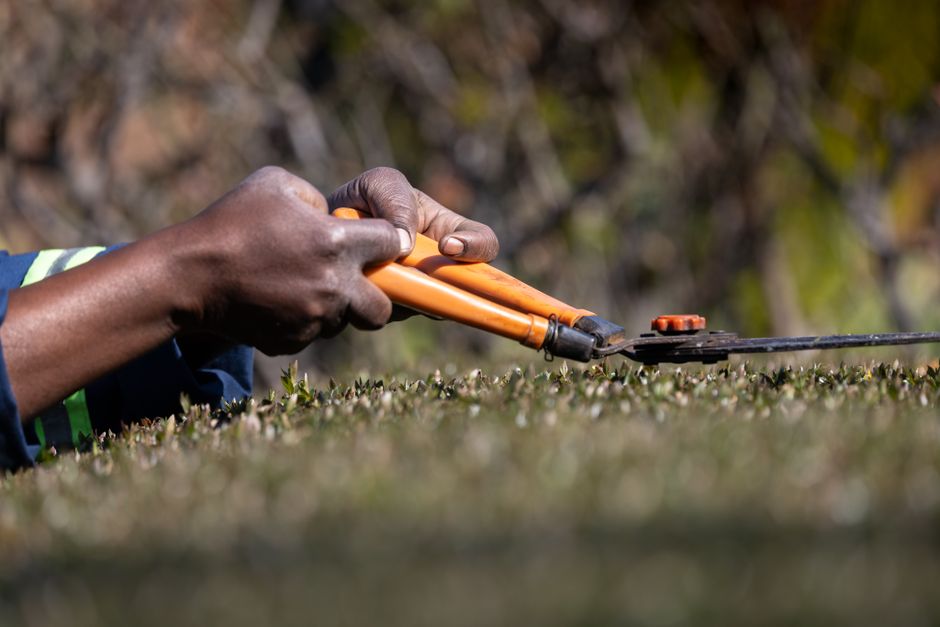
Proper tree pruning starts with a clear reason: remove dead, diseased, broken, crossing, downward-growing, or competing branches, and leave healthy foliage unless there is a specific need to prune it. Make each removal cut just outside the branch collar. For heavy limbs, use three cuts to protect the bark, and check species-specific timing and safety before you begin.
What is the 1-2-3 rule for pruning trees?
A practical 1-2-3 rule is: identify the branch that needs attention, choose the correct cut, and check the timing and job risks before making it. This is a simple decision sequence, not a universal pruning standard. It keeps you from treating pruning as routine cleanup when the tree may not need it.
- Choose the target. The University of Minnesota Extension recommends looking for dead, diseased, broken, crossing, downward-growing, and competing branches. Prune for a defined need rather than removing healthy crown foliage just to make the canopy look thinner.
- Locate the collar. Find the slightly raised branch collar where the branch joins the trunk or a larger limb. Plan to cut just beyond it, preserving the collar rather than cutting flush with the trunk or leaving a stub.
- Check the job. Confirm the tree’s species and local timing guidance, then assess whether the limb can be handled safely from the ground. If the work requires a ladder, chainsaw, or brings you near utility wires, stop and get professional help.
That order matters: selecting the right branch first prevents unnecessary cuts, while identifying the collar before sawing helps avoid damage that can interfere with the tree’s ability to close over the wound.
What are the 4 D's of pruning?
The 4 D’s are dead, diseased, damaged, and dysfunctional branches—the last category often includes branches that cross, grow downward, or compete with other growth. The phrase is a useful inspection checklist, but it does not mean every tree needs all four types removed or that every questionable branch is safe for a homeowner to cut.
Start by scanning the canopy for dead wood, signs of disease, and broken or damaged limbs. Then look for branches rubbing or crossing one another, downward-growing branches, and competing branches. The University of Minnesota Extension includes these targets in its pruning guidance. Where a branch is large, high, or difficult to assess, an arborist can determine whether removal is appropriate.
Healthy leaves and branches support the tree. The International Society of Arboriculture explains that foliage produces sugars and that heavy pruning can reduce growth and stored energy reserves. Routine crown thinning does not necessarily improve tree health. As a general limit, the ISA says to remove no more than 25% of the crown at once, and less for mature trees; the right amount also depends on species, size, age, and purpose. Treat that percentage as a ceiling, not a goal.
Is it okay to trim trees in October?
October can be a poor time to prune some trees, but there is no single calendar rule for every species and location. In Minnesota, the University of Minnesota Extension advises against pruning oaks from April through October because oak wilt can spread through pruning wounds. Local disease risks and the tree species should guide timing.
For Minnesota oaks, the Extension recommends pruning from November through March. It also notes that late-winter pruning of apples, flowering crabapples, mountain ash, hawthorn, serviceberry, and cotoneaster reduces the risk of spreading fire blight through pruning wounds, while honey locusts should be pruned while dormant in winter to reduce stem-canker risk.
Late dormancy is generally a good time for pruning, according to the Extension’s general guidance, but the examples show why a broad rule can mislead. Before making a seasonal cut, identify the tree and check local extension advice for disease risks. Clean and disinfect tools between cuts when disease spread is a concern, as the Extension advises.
What are some common mistakes people make when pruning trees?
Common mistakes include cutting flush to the trunk, leaving a long stub, removing a heavy limb in one cut, topping the tree, stripping bark, and applying wound dressing when it is not needed. Each error can make the cut harder for the tree to close effectively or encourage decay or weak branch growth.
- Flush cuts: Cutting into the trunk can damage trunk tissues. Cut just outside the branch collar instead.
- Long stubs: A stub is not a substitute for a properly placed cut. Remove the branch just beyond the collar.
- One-cut removal of a heavy limb: The limb’s weight can tear bark as it falls. Use the three-cut method for a branch too heavy to support with one hand.
- Topping and bark stripping: Avoid these damaging approaches. If the tree’s size or shape seems to require major reduction, ask an arborist to assess it.
- Unneeded wound paint: Wound dressing is not normally needed on pruning cuts, according to the University of Minnesota Extension. It identifies limited disease-specific exceptions, such as oak wilt management.
- Over-pruning: Removing too much foliage can reduce growth and stored energy. Prune only what serves a clear objective.
For a heavy limb, the three-cut sequence is straightforward. First, make an underside cut about 12–18 inches from the branch attachment. Second, cut from above farther out to remove the limb’s weight. Third, remove the remaining stub just outside the branch collar. The University of Minnesota Extension describes an underside cut about 18 inches from the trunk, while the ISA gives a range of 12–18 inches; both emphasize staged removal before the final collar cut.
Skip the final cut if reaching the collar would put you on a ladder or require a chainsaw. The University of Minnesota Extension and the ISA recommend leaving above-ground or hazardous pruning to professionals. Never prune near electrical or utility wires; contact the utility or appropriate local maintenance workers.
If you need to hire help, the ISA recommends checking for an ISA credential, proof of insurance, relevant references, and any local licenses or permits. It also advises getting more than one estimate. For broader yard planning, this guide to comparing local landscaper quotes can help you organize the hiring decision.
Frequently Asked Questions
Where exactly should I cut a branch near the trunk?
Cut just outside the branch collar, the slightly raised area where the branch meets the trunk. Do not cut flush against the trunk or leave a long stub; preserving the collar helps the wound close effectively.
How much of a tree can I prune at one time?
The International Society of Arboriculture says generally no more than 25% of the crown should be removed at once, and less for mature trees. The appropriate amount depends on the tree’s species, size, age, and pruning objective, so that figure is an upper guide rather than a target.
When should I use the three-cut method?
Use it when a branch is too heavy to support with one hand. The first two cuts remove the limb’s weight in stages; the final cut removes the remaining stub just outside the branch collar.
When should I hire an arborist instead of pruning a tree myself?
Hire a professional for work that requires a ladder or chainsaw, involves large or high hanging limbs, or is near power lines. Do not prune near electrical or utility wires; contact the utility or appropriate local maintenance workers.
Sources
- University of Minnesota Extension — Pruning trees and shrubs
- International Society of Arboriculture — Pruning Mature Trees
- University of Minnesota Extension — Plants to prune in March
- University of Minnesota Extension — Storm damage to landscape trees
- International Society of Arboriculture — Why Hire an Arborist
Related reading
Which Low-Maintenance Foundation Shrubs Fit My Home and Yard?
Choose low-maintenance foundation shrubs by matching mature size, sun, drainage, clay soil, deer pressure, and house clearance.
How Can I Improve My Front Yard Curb Appeal on a Budget?
Plan durable, low-cost front-yard upgrades that sharpen curb appeal without creating extra replacement and maintenance work.
New Riding Mowers: Choose the Right Fit for Your Yard
Choose new riding mowers by matching mower type and deck width to your yard, then compare service support and total ownership costs.

How Can I Reduce Belly Fat Sustainably?
Reduce belly fat through gradual overall fat loss, manageable nutrition changes, aerobic activity, and strength training—not spot reduction.