
How Can I Reduce Belly Fat Sustainably?
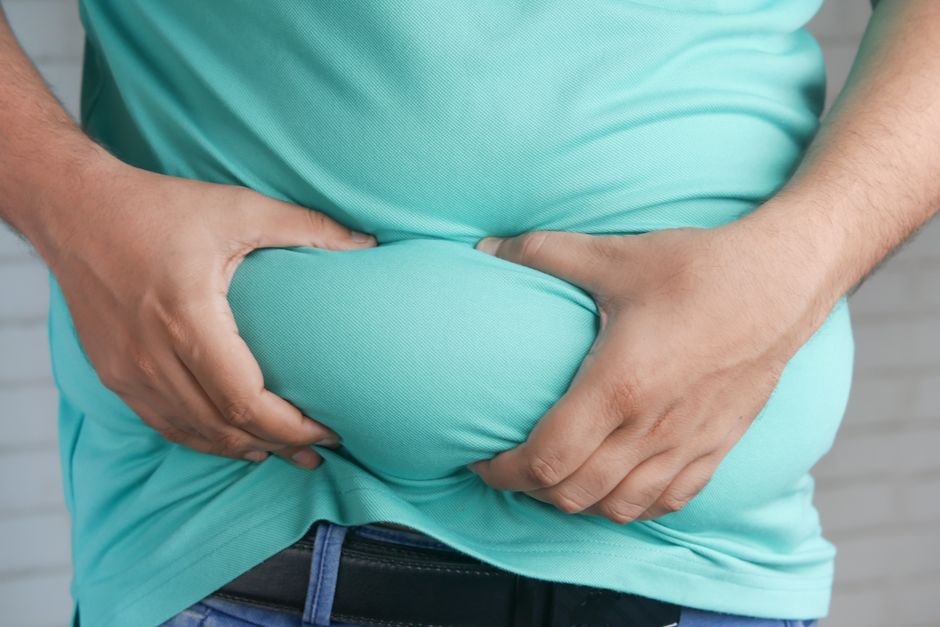
To reduce belly fat, focus on gradual overall fat loss rather than trying to burn fat from one body area: use manageable nutrition changes, combine aerobic activity with strength training, and track progress over time. Ab exercises can strengthen abdominal muscles, but they do not reliably remove the fat over them. Genetics and individual fat distribution affect where changes show first.
How can I reduce belly fat without extreme dieting?
You can reduce belly fat without extreme dieting by choosing a manageable eating pattern that supports gradual overall weight loss and pairing it with regular activity. A severe restriction is not required by the guidance cited here; the practical test is whether the change can be repeated consistently.
The U.S. Department of Health and Human Services’ MyHealthfinder suggests trying 500–750 fewer calories per day and gives 1–2 pounds per week as an example of a realistic weight-loss goal. These are general planning benchmarks, not a guarantee of a specific weekly result or a schedule for abdominal changes. MyHealthfinder also says that losing 5–10% of body weight can provide health benefits.
Build the plan around repeatable choices: moderate portions, food and activity habits you can sustain, and regular movement. The useful distinction is between a short-lived restriction and a routine that remains workable. If a change is so demanding that it repeatedly breaks down, it is a poor foundation for long-term progress.
Progress also needs a fair measurement window. Body weight and waist measurements can vary, so a single reading cannot establish whether fat loss has stalled. Look at patterns across repeated measurements taken in comparable conditions, and consider whether eating and activity habits have been consistent before making the plan more restrictive.
Sleep and other factors can affect weight as well. The National Institute of Diabetes and Digestive and Kidney Diseases (NIDDK) lists food and activity habits, sleep, medicines, health problems, family history, and genes among factors that can influence weight. NIDDK notes that insufficient sleep may increase hunger and calorie intake and recommends 7–9 hours for adults ages 18–64.
Can ab exercises or sit-ups specifically reduce belly fat?
Ab exercises and sit-ups can strengthen abdominal muscles, but they do not reliably reduce the fat specifically covering those muscles. That distinction matters: a stronger midsection and a smaller waist are related to different training outcomes.
In a randomized study published in the Journal of Strength and Conditioning Research, Vispute and colleagues assigned 24 sedentary adults to a control group or six weeks of abdominal exercise. The exercise program used seven exercises, two sets of 10 repetitions, five days per week. It improved curl-up performance, but did not significantly change body weight, body-fat percentage, abdominal fat, abdominal circumference, or abdominal skinfold measurements.
A 2023 trial complicates the simple version of the rule, but does not overturn it. Brobakken and colleagues studied 16 overweight adult men for 10 weeks, comparing treadmill running with running combined with abdominal endurance exercise. The combined-training group lost an average of 7% of trunk fat, while the running-only group had no measured trunk-fat change; total fat mass decreased by 6% and 5%, respectively.
That small, specific study does not establish that ordinary sit-ups reliably target belly fat. It does show why study details matter: the participants, protocol, duration, and outcome determine what a result can support. For a practical plan, include abdominal exercises for strength and function if desired, while treating overall fat loss as the dependable route to reducing abdominal fat.
For readers comparing non-exercise claims, this site’s guide to belly-fat burner evidence, safety, and value addresses why product promises should be assessed separately from the basics of nutrition and activity.
What kind of diet and exercise help reduce belly fat?
The most evidence-aligned combination is a manageable calorie reduction, aerobic activity, and muscle-strengthening work. The U.S. Department of Health and Human Services’ Physical Activity Guidelines recommend 150–300 minutes per week of moderate-intensity aerobic activity, or 75–150 minutes of vigorous activity, for substantial health benefits. Adults should also strengthen all major muscle groups on at least two days per week.
The guidelines state that combining calorie restriction with physical activity tends to be more beneficial for weight loss than either calorie restriction or activity alone. In practice, distribute activity across the week in a way that fits your routine; brisk walking can contribute moderate-intensity aerobic minutes, while strength sessions address the separate muscle-strengthening recommendation.
Everyday movement can help make activity a routine rather than a single workout. Choose repeatable opportunities to walk or move more, and increase activity gradually if your current baseline is low. People seeking substantial weight loss or maintenance of significant weight loss may need more than 300 minutes per week of moderate-intensity activity, according to the guidelines; that is a context-dependent need, not a starting requirement for everyone.
| Plan element | Evidence-based reference | Practical role |
|---|---|---|
| Nutrition | MyHealthfinder suggests trying 500–750 fewer calories per day | Use manageable changes that can be maintained |
| Moderate aerobic activity | 150–300 minutes per week | Build a regular activity base, such as brisk walking |
| Vigorous aerobic activity | 75–150 minutes per week | An alternative intensity range in the activity guidelines |
| Strength training | At least 2 days per week, all major muscle groups | Train the whole body; add abdominal work for muscle endurance if desired |
These numbers are reference points, not competing prescriptions. Start from a sustainable level, combine nutrition and movement, and adjust based on consistency and longer-term progress. If a health condition, medication, or other individual factor affects exercise or weight, seek advice from a qualified health professional rather than assuming a general guideline addresses that situation.
Expect fat loss to be uneven across the body. NIDDK explains that genes may affect both how much fat a person stores and where it is carried. Consequently, the same overall progress can look different from person to person, and abdominal change may lag; that is not by itself evidence that the plan has failed.
NIDDK recommends an initial goal of losing 5–10% of starting weight within 6 months. This is a broad health-oriented target, not a promise that the abdomen will visibly change within that period. Set goals around the habits you can control and assess trends over time rather than demanding that one body area follow a precise timetable.
Frequently Asked Questions
Why am I losing weight but still have belly fat?
Weight loss does not guarantee that fat will come off the abdomen first. Genes affect where the body stores fat, and visible changes in one area can lag behind changes in overall weight.
How long does it take for belly fat to go away?
There is no reliable timeline for a particular body area. NIDDK describes an initial goal of losing 5% to 10% of starting weight within 6 months, but that does not predict when abdominal fat will visibly change.
Is lower belly fat normal, and can everyone lose it?
Fat distribution varies, and genes can affect where fat is carried. The available sources do not establish a universal appearance or promise that everyone will lose fat from the lower abdomen in the same way.
Sources
- U.S. Department of Health and Human Services, Physical Activity Guidelines for Americans, 2nd edition
- U.S. Department of Health and Human Services, MyHealthfinder: Aim for a Healthy Weight
- Vispute et al., Journal of Strength and Conditioning Research, via PubMed
- Brobakken et al., Physiological Reports, via PubMed
- National Institute of Diabetes and Digestive and Kidney Diseases: Factors Affecting Weight and Health
- National Institute of Diabetes and Digestive and Kidney Diseases: Choosing a Safe and Successful Weight-loss Program
Related reading

Laser Belly Fat Removal Cost: What the Quote Includes
Laser belly fat removal cost ranges from a historical $1,000–$1,600 per SculpSure area to surgical fees that exclude major expenses.

Does laser belly fat removal work?
Laser belly fat removal can modestly contour a localized area, but it is not a weight-loss method.
Best Belly Fat Burner: What Works, What Doesn't, and Why
No supplement selectively burns belly fat; compare modest overall effects, safety, label quality, and cost with proven weight-management basics.

Which Low-Maintenance Foundation Shrubs Fit My Home and Yard?
Choose low-maintenance foundation shrubs by matching mature size, sun, drainage, clay soil, deer pressure, and house clearance.