
How to Lose Belly Fat: A Guide for Women
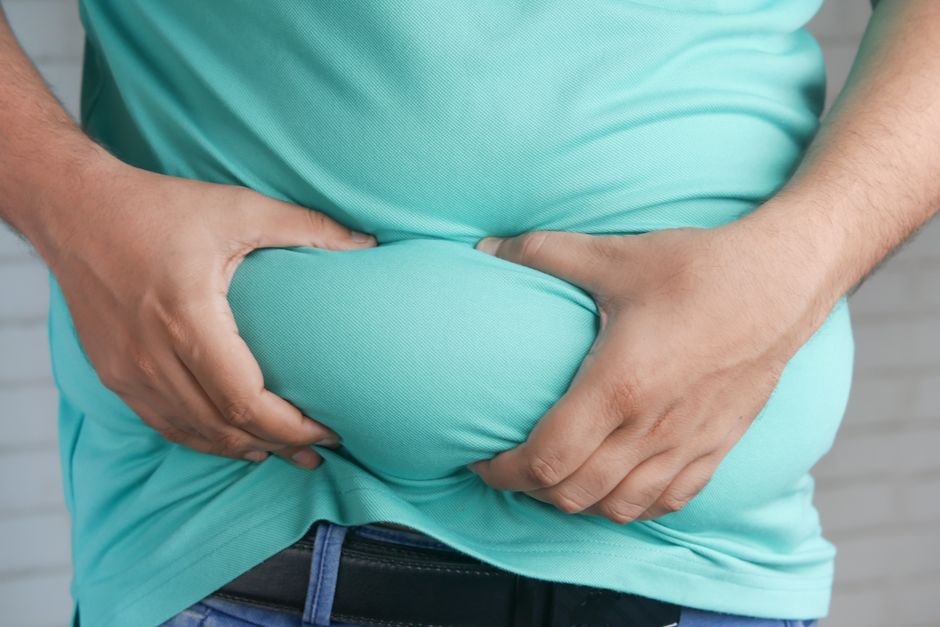
To lose belly fat, women need to reduce overall body fat; exercises that target the abdomen can strengthen those muscles but do not selectively burn fat there. A sustainable approach combines a modest calorie deficit, nutritious foods with protein and fiber, and regular strength training and aerobic activity. Track waist measurements and weight over time, since progress may not appear in either measure every week.
How can a woman lose belly fat safely and sustainably?
A woman can reduce belly fat by pursuing gradual overall weight loss through a maintainable eating pattern and regular activity; there is no separate method that makes the body draw fat only from the waist. According to the Centers for Disease Control and Prevention (CDC), using calories through physical activity while reducing calorie intake creates a calorie deficit. The CDC also notes that most weight loss occurs from decreasing calories, so exercise is valuable but does not replace the nutrition side of the equation.
Start with a small set of repeatable habits rather than a severe diet or a punishing exercise schedule. The National Institute of Diabetes and Digestive and Kidney Diseases (NIDDK) describes a successful program as one that combines a reduced-calorie eating plan, physical activity suited to the individual, and guidance for maintaining weight loss. It also notes that the best plan is one tailored to health, culture, preferences, and values, because adherence over time matters more than short-lived intensity.
For a beginner-friendly week, use the public activity guideline as a framework: build toward at least 150 minutes of moderate aerobic activity, such as brisk walking, and include strength work on at least 2 days. A practical layout is walking on several days and full-body resistance sessions on two nonconsecutive days, with ordinary movement such as walking for errands filling out the week. The CDC and NIDDK recommend these weekly minimums for adults; they are activity guidelines, not a promise of a specific amount of fat loss.
Progress can be slower than expected. NIDDK explains that metabolism slows during weight loss and that a lighter body needs fewer calories, which can make continued loss or maintenance harder. Its safe-program guidance sets an initial goal of losing 5% to 10% of starting weight within 6 months, a general benchmark rather than a deadline or guarantee for any one person. This expectation helps distinguish a normal slowing pattern from the mistaken idea that a plan has failed as soon as the scale stops moving quickly.
Can women target belly fat with specific exercises?
No: abdominal exercises strengthen and condition the muscles, but evidence does not show that they selectively reduce fat over those muscles. In a randomized study of 24 sedentary adults, including 10 women, researchers compared abdominal exercise with a control group. The six-week program used seven abdominal exercises, but did not significantly change body weight, body-fat percentage, abdominal fat, abdominal circumference, or abdominal skinfolds; curl-up performance did improve.
A separate randomized clinical trial assigned 40 overweight or obese women to diet alone or diet plus abdominal resistance training for 12 weeks. Weight and abdominal-fat measures decreased in both groups, but adding abdominal exercises did not produce significantly greater reductions in abdominal subcutaneous fat or waist circumference than diet alone. Together, these findings support a useful distinction: train the core for strength and function, while relying on overall habits to change body fat.
This does not make crunches, planks, or other core exercises pointless. It means their payoff is not a targeted change in waist fat. A balanced strength routine can include core work alongside exercises for the legs, hips, back, chest, and arms; the broader routine supports strength across major muscle groups, while a calorie deficit and regular activity address overall weight management.
What should I eat to lose belly fat without following a restrictive diet?
Choose a reduced-calorie eating pattern built from foods you can continue eating, rather than banning broad food groups or chasing a special “belly-fat” menu. NIDDK recommends vegetables, whole fruits, whole grains, and protein foods such as lean meat, eggs, seafood, beans, lentils, nuts, and soy products. This structure makes room for different preferences while keeping meals centered on filling, nutrient-rich choices.
Protein and fiber can be practical anchors: include a protein food and a fiber-rich plant food in meals, then adjust portions and higher-calorie extras to create a manageable calorie deficit. The provided guidance does not prescribe a specific protein or fiber target for losing abdominal fat, so no universal gram target can be inferred from it. Consistency matters more than a narrowly defined food list.
NIDDK cites Dietary Guidelines that advise limiting added sugars to less than 10% of daily calories, saturated fat to less than 10% of calories, and sodium to below 2,300 mg daily. These are broad dietary benchmarks, not a customized belly-fat prescription. One useful application is to compare common meals and identify a change that lowers overall calorie intake without making the eating pattern difficult to maintain.
For more detail on meal choices, see What Is the Best Diet to Lose Belly Fat?. The central point remains the same: no particular food burns fat from the waist. Food choices help when, taken together, they support a calorie deficit and a pattern that remains workable over time.
Frequently Asked Questions
How much walking or strength training helps reduce belly fat?
The CDC and NIDDK recommend at least 150 minutes per week of moderate-intensity aerobic activity, such as brisk walking, plus muscle-strengthening activity on at least 2 days a week. These are general activity guidelines, not a guarantee of a particular waist change. The amount that supports weight management varies by person.
Why is my waist not changing even though I exercise?
Exercise can improve strength and fitness without creating enough overall energy deficit to change body fat, and abdominal exercises do not selectively remove fat from the waist. Weight loss can also slow as the body needs fewer calories at a lower weight. Review the pattern over time rather than judging from a short stretch of measurements.
How can I track belly-fat progress if my weight stays the same?
Measure your waist consistently and record the result alongside weight and activity. A stable scale reading alone does not tell you whether your waist measurement has changed, while one measurement cannot establish a trend. Compare repeated measurements taken under similar conditions.
Sources
- Centers for Disease Control and Prevention (CDC), Physical Activity and Your Weight and Health
- National Institute of Diabetes and Digestive and Kidney Diseases (NIDDK), Eating & Physical Activity to Lose or Maintain Weight
- National Institute of Diabetes and Digestive and Kidney Diseases (NIDDK), Choosing a Safe and Successful Weight-loss Program
- Vispute et al., Journal of Strength and Conditioning Research, via PubMed
- Kordi et al., Journal of Manipulative and Physiological Therapeutics, via PubMed
Disclaimer: This article is for general information only and is not medical advice. It is not a substitute for diagnosis or treatment by a qualified healthcare professional. Always speak to your doctor before acting on anything you read here.
Related reading

What Is the Best Diet to Lose Belly Fat?
A sustainable calorie deficit can reduce overall body fat, while filling foods and practical swaps help make it easier to maintain.
How to Remove Belly Fat: What Actually Works?
Reduce overall body fat with sustainable eating, regular activity, and progress tracking; abdominal exercises cannot reliably target waist fat.
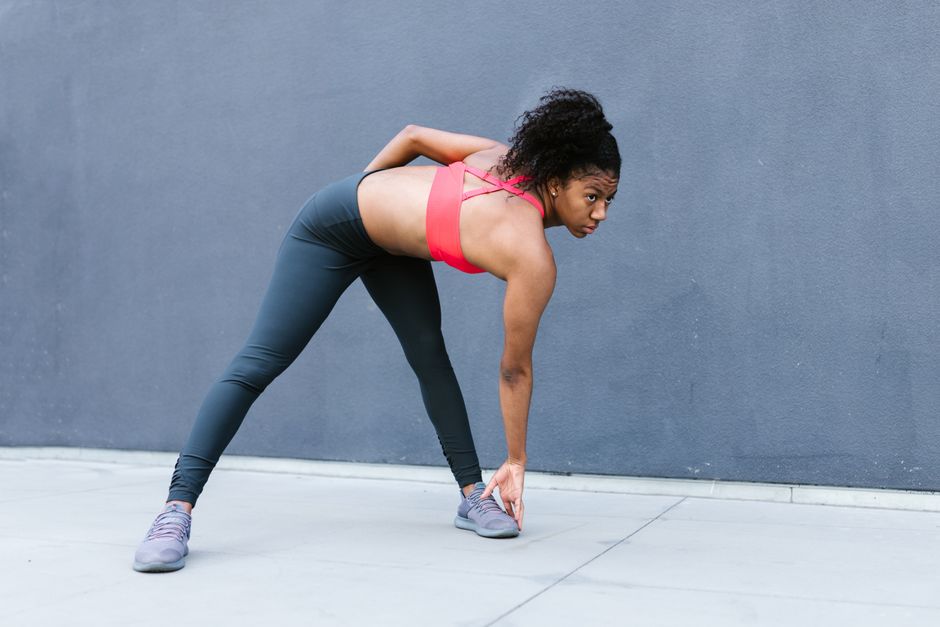
How to Get Rid of Stubborn Belly Fat?
Lose stubborn belly fat through gradual overall fat loss; genetics and age affect where changes appear, and symptoms may warrant medical advice.
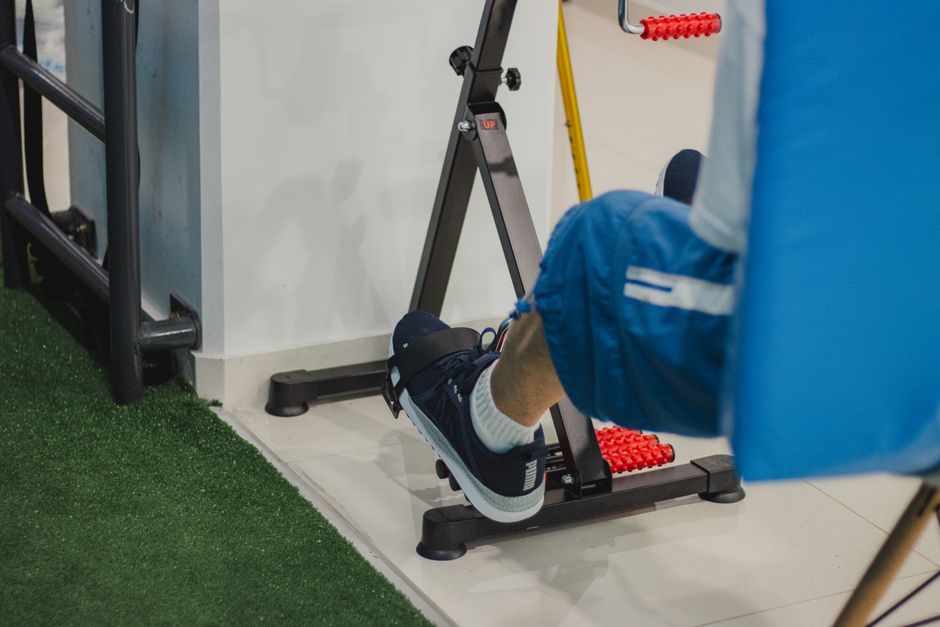
Under-Desk Pedal Exercisers: Useful Leg Activity Without Overclaiming
Evidence-based guidance on under-desk pedal exercisers for leg activity, desk work, comfort, and realistic weight-management expectations.