
How to Get Rid of Stubborn Belly Fat?
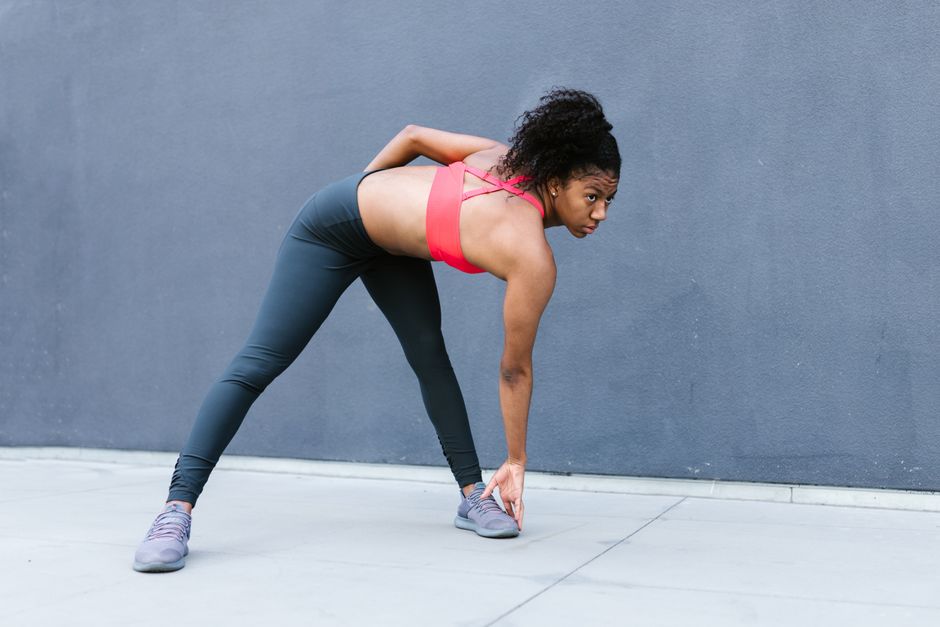
To get rid of stubborn belly fat, focus on gradual overall fat loss rather than trying to target your stomach with specific exercises. A sustainable calorie deficit, regular activity, and strength training can support progress, but genetics, age, hormones, and health conditions affect where fat changes first. Track habits and trends, adjust one factor at a time, and seek medical advice for persistent bloating or concerning symptoms.
Why is my belly the last place I lose fat?
Your belly may be one of the last places you notice change because people differ in how they store and lose fat. The Centers for Disease Control and Prevention (CDC) lists genes, hormones, age, stress, medicines, medical conditions, and environment among factors that can affect weight management. Fat loss happens across the body; the order and visibility of change are not something a targeted exercise can select.
Genetics influence the pattern, but they do not write a fixed outcome. A review in Obesity, indexed by PubMed, reports that after accounting for BMI, estimates of heritability for fat-distribution traits range from 30% to 55%. The authors also describe many genetic variants contributing to obesity risk, so those estimates describe variation across groups—not a prediction of what will happen to one person.
Age and life stage can shift the picture too. The National Institute on Aging says the menopausal transition commonly begins between ages 45 and 55, and that energy use and fat distribution can change during this period. Its guidance also notes that timing and symptoms vary. A useful expectation is progress in overall health and body composition, not a promised waist shape or deadline.
Can I lose belly fat without losing weight everywhere else?
No reliable exercise or diet can make the body lose fat only from the belly while preserving fat everywhere else. A calorie deficit—using more energy than you take in over time—supports overall weight loss, and the body determines where changes show first. If your goal is a smaller waist, the practical route is a sustainable overall approach rather than a spot-reduction promise.
Make the plan repeatable. The CDC recommends tracking nutrition, physical activity, and sleep to identify habits that may be adjusted. Its general guidance says gradual loss of about 1 to 2 pounds per week is more likely to be maintained than faster loss; this is a population-level guideline, not a weekly target guaranteed for every body. Even a 5% reduction in body weight can improve blood pressure, cholesterol, and blood sugar for people above a healthy weight, according to the CDC.
Start with a simple record of meals and drinks, movement, and sleep, then look for a manageable change you can sustain. For broader food-planning ideas, see What Is the Best Diet to Lose Belly Fat? The key test is whether the routine can continue—not whether it produces the fastest short-term drop.
Do crunches or ab workouts get rid of stubborn belly fat?
Crunches and ab workouts can strengthen abdominal muscles, but they do not reliably remove the fat covering them. A randomized study of 24 sedentary adults, published in the Journal of Strength and Conditioning Research and indexed by PubMed, found that six weeks of abdominal exercises improved muscular endurance but did not significantly change abdominal fat, body fat percentage, body weight, or abdominal circumference.
That distinction makes exercise selection easier: train your core for strength and function, and treat fat loss as an overall process. The study tested abdominal exercise alone, so it does not establish that core work is useless or that a broader activity program cannot support health and weight management. It shows why hundreds of repetitions are not a substitute for sustainable eating and activity habits.
Strength training can be one part of a wider routine, alongside activities you can keep doing. Track consistency and function as well as appearance. If the scale or waist measurement is the only scorecard, normal fluctuations can obscure whether your routine is becoming more sustainable.
What should I change if my weight is going down but my stomach isn't?
If your weight is trending down but your stomach seems unchanged, first check whether the observation is consistent, then review the habits that influence overall progress. The abdomen may change later than other areas, and a short stretch without a visible waist change does not by itself show that your approach has failed. Use a troubleshooting sequence rather than making several drastic changes at once.
- Check the record. Track food and drinks, activity, and sleep as the CDC recommends. Look for missed snacks, portions, or days that were not recorded before deciding the plan needs a larger change.
- Review daily movement. Compare your current activity with your usual routine. If movement has dropped, choose a practical way to restore it that fits your schedule.
- Keep strength work in the mix. Core work can build abdominal endurance, but it is not a spot-fat tool. Pair strength training with a broader activity and eating pattern rather than adding endless crunches.
- Use more than one progress signal. Consider longer-term weight trends, how clothes fit, and whether routines are consistent. Avoid treating one reading or one area of the body as a verdict.
- Reassess gradually. Change one manageable habit, keep tracking, and give the new routine enough consistency to evaluate. The CDC’s gradual-loss guidance is a general reference, not a guarantee of a specific rate.
If your weight management is complicated by medication, a medical condition, stress, or other health factors, the CDC identifies these as relevant influences. A clinician can help determine whether a health issue or treatment belongs in the discussion. For a practical check this week, record the habits the CDC names, identify one gap, and choose one adjustment you can repeat.
Frequently Asked Questions
How long does it take to lose the last bit of belly fat?
There is no reliable timeline for losing fat from one particular area because fat distribution and weight management differ between people. The CDC says gradual weight loss of about 1 to 2 pounds per week is more likely to be maintained than faster loss, but that general guideline is not a guaranteed rate for every person or for belly fat specifically.
Can genetics or menopause affect where I lose fat?
Yes. A peer-reviewed review reports that fat-distribution traits have genetic influences, but that does not mean genes determine an individual’s outcome. The National Institute on Aging also notes that fat distribution and energy use can change during the menopausal transition, with timing and symptoms varying among individuals.
How can I tell whether my stomach is fat, bloating, or something I should ask a doctor about?
Bloating can feel like fullness or discomfort, or make your tummy feel bigger than usual, and may come with gas or tummy noises. The NHS advises seeing a GP for regular or persistent bloating, or bloating with unintentional weight loss or blood in the stool; vomiting, pain, fever, a lump, or inability to pass urine, stool, or gas calls for urgent medical advice.
Sources
- Centers for Disease Control and Prevention: Losing Weight
- PubMed: The Effect of Abdominal Exercise on Abdominal Fat
- PubMed: Obesity and Genetic Factors
- National Institute on Aging: What Is Menopause?
- NHS: Bloating
Disclaimer: This article is for general information only and is not medical advice. It is not a substitute for diagnosis or treatment by a qualified healthcare professional. Always speak to your doctor before acting on anything you read here.
Related reading

Does laser belly fat removal work?
Laser belly fat removal can modestly contour a localized area, but it is not a weight-loss method.

What Is the Best Diet to Lose Belly Fat?
A sustainable calorie deficit can reduce overall body fat, while filling foods and practical swaps help make it easier to maintain.
How Can I Reduce Belly Fat Sustainably?
Reduce belly fat through gradual overall fat loss, manageable nutrition changes, aerobic activity, and strength training—not spot reduction.

Under-Desk Pedal Exercisers: Useful Leg Activity Without Overclaiming
Evidence-based guidance on under-desk pedal exercisers for leg activity, desk work, comfort, and realistic weight-management expectations.