
How to Remove Belly Fat: What Actually Works?
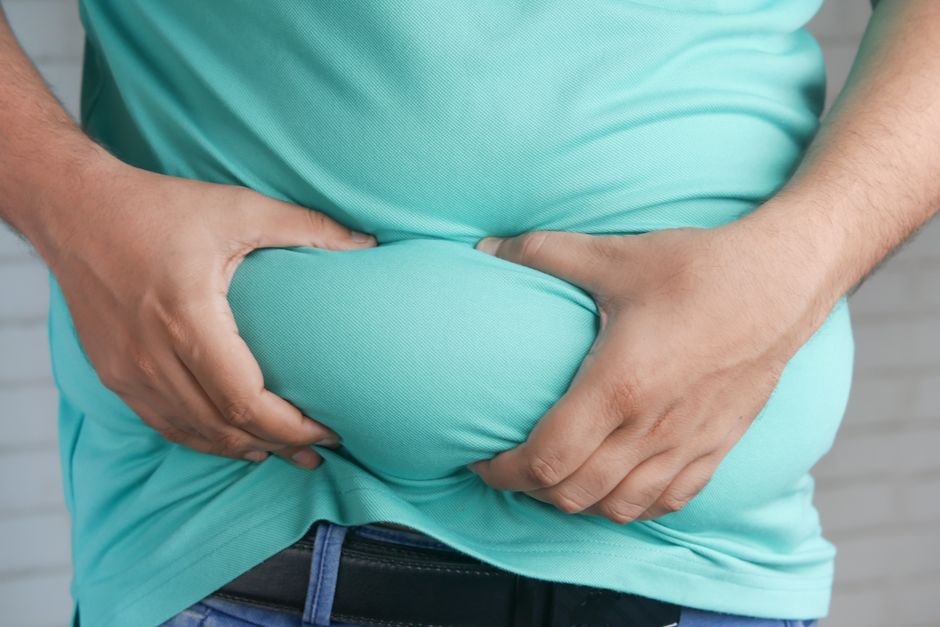
To understand how to remove belly fat, focus on gradually reducing overall body fat through an eating pattern you can maintain, regular activity, and progress tracking. Abdominal exercises can strengthen the muscles, but they do not reliably direct fat loss to the waist. Combine aerobic movement with resistance training, and assess changes using waist measurements and weight trends rather than one weigh-in.
Can I target belly fat, or do I have to lose fat throughout my body?
You generally need to reduce fat throughout your body to shrink your waist; a particular exercise cannot reliably choose where fat comes off. Abdominal exercises can train the muscles beneath the fat, but doing more crunches does not guarantee that the body will draw fat specifically from the stomach.
A small 10-week randomized trial published in Physiological Reports in 2023 tested abdominal endurance work alongside treadmill running in 16 overweight men. The abdominal-exercise group had a greater reduction in trunk fat than the treadmill-only group, but both groups also did treadmill exercise four days per week. The authors’ result is specific to a small sample and a particular training protocol; it does not establish abdominal exercises alone as a dependable belly-fat solution. Think of core work as strength training, not as a waist-targeting shortcut.
Fat distribution also changes unevenly. In an 18-month randomized trial published in Circulation in 2018, MRI scans showed reductions that differed across fat depots during diet and activity interventions. Added physical activity was associated with a greater decrease in visceral fat than no added activity, independent of weight loss. This helps explain why a waist measurement and scale weight may not move in lockstep.
Use this practical sequence: choose food and activity habits that support an overall calorie reduction, keep the plan repeatable, and measure waist changes over time. The linked guide How to Get Rid of Stubborn Belly Fat? also addresses why stubborn areas can take time to change.
What should I eat to lose belly fat without following a crash diet?
Build meals around a sustainable eating pattern and reduce calories from food and drinks without making the plan so restrictive that it is hard to maintain. The National Institute of Diabetes and Digestive and Kidney Diseases (NIDDK) recommends vegetables, whole fruit, whole grains, and protein foods such as lean meats, seafood, beans, eggs, nuts, and soy.
A simple starting point is to include a protein food and a fruit or vegetable in meals, then review portions and drinks that contribute calories without keeping you satisfied. This is a planning framework, not a prescribed menu. The NIDDK emphasizes choosing an eating plan you can maintain over time; that makes consistency more useful than a brief, severe restriction.
The NIDDK’s cited Dietary Guidelines recommend limiting added sugars and saturated fat to less than 10% of daily calories each, and sodium to less than 2,300 mg per day. Those are guideline thresholds, not a personalized calorie target. Individual needs can differ, and the supplied sources do not provide a tailored eating plan for specific medical conditions.
Make the plan easy to repeat: choose a few protein-rich meal options, keep produce and whole grains in the routine, and record food and drinks long enough to spot patterns. The CDC recommends tracking habits, including food and beverage intake, activity, sleep, and stress, then reviewing that record to adjust goals. Gradual weight loss—about 1–2 pounds per week according to the CDC—is more likely to be maintained than faster loss; treat that as a general pace, not a guaranteed result.
Do I need to do cardio, strength training, or both?
Both support a well-rounded plan: aerobic activity adds movement, while resistance exercise helps preserve fat-free mass during dietary weight loss. NIDDK recommends adults get at least 150 minutes a week of moderate aerobic activity and do muscle-strengthening activity involving all major muscle groups on 2 or more days a week.
These targets can be built from manageable sessions rather than one large workout. Walking, cycling, or another moderate aerobic activity can contribute to the weekly total; strength sessions can train the major muscle groups. Everyday movement also helps increase activity beyond formal workouts, so consider where walking or other movement can fit into normal routines.
A 2025 systematic review and meta-analysis by Binmahfoz and colleagues in BMJ Open Sport & Exercise Medicine included 25 randomized trials of adults with overweight or obesity undergoing dietary weight loss. Resistance exercise did not significantly change total body-weight loss compared with diet alone, but it protected fat-free mass and increased fat-mass loss. In other words, the scale may not show the full value of strength work.
The review notes that roughly 20–30% of weight lost during dietary weight loss can be fat-free mass, which includes muscle tissue. This is why cardio and resistance training serve different jobs: aerobic activity supports health and energy expenditure, while strength work helps retain lean tissue as weight changes. Start at a level that fits current ability and build a routine that can be repeated.
How can I tell whether my waist is shrinking if my weight is not changing?
Track waist measurements and weight trends together, because a single scale reading cannot show every change in body composition or fat distribution. Measure your waist consistently using the same method and under similar conditions, and record the result alongside regular weigh-ins. Look for a pattern across repeated readings rather than interpreting a single day.
Use a compact tracking log with four items: date, weight, waist measurement, and a note about activity or routine. The CDC recommends tracking habits and reviewing progress to adjust goals. If the trend stalls, look at the routine first—food and beverage patterns, activity, sleep, and stress—rather than responding with an extreme diet.
Scale weight can also move differently from waist size. In the 2018 Circulation trial, researchers reported that waist-circumference rebound was attenuated in physical-activity groups, illustrating that waist changes and scale changes need not match. NIDDK also notes that metabolism slows during weight loss and that a lower body weight requires fewer calories; regular activity and weight tracking can support maintenance.
Set expectations around a trend, not a deadline. The CDC says that even modest weight loss can improve blood pressure, cholesterol, and blood sugar; for a person weighing 200 pounds, a 5% reduction equals 10 pounds. That example is a calculation, not a required target. Medicines, health conditions, stress, genes, hormones, environment, and age can affect weight management, so progress and the best next step vary from person to person.
Frequently Asked Questions
Why is belly fat often the last fat to go?
Fat depots do not all respond to lifestyle changes at the same rate. A randomized trial reported different changes across visceral, liver, heart-area, and other fat depots, so the waist may change more slowly than other measures. The sources do not establish a universal order in which body fat is lost.
How long does it usually take to notice a smaller waist?
There is no single timeline in the provided sources. The CDC says gradual weight loss of about 1–2 pounds per week is more likely to be maintained, but waist changes do not necessarily match scale changes week by week. Track measurements consistently and compare trends over time.
How can I lose fat without losing muscle or feeling constantly hungry?
Choose a sustainable eating pattern with protein foods and vegetables, whole fruit, and whole grains rather than relying on a crash diet. A 2025 review found that adding resistance exercise during dietary weight loss helped protect fat-free mass and increased fat-mass loss compared with diet alone. Hunger varies, so adjust portions and food choices in a way that remains manageable.
Sources
- National Institute of Diabetes and Digestive and Kidney Diseases (NIDDK)
- Centers for Disease Control and Prevention (CDC)
- Binmahfoz et al., BMJ Open Sport & Exercise Medicine (2025)
- Gepner et al., Circulation (2018)
- Brobakken et al., Physiological Reports (2023)
Disclaimer: This article is for general information only and is not medical advice. It is not a substitute for diagnosis or treatment by a qualified healthcare professional. Always speak to your doctor before acting on anything you read here.
Related reading

Does laser belly fat removal work?
Laser belly fat removal can modestly contour a localized area, but it is not a weight-loss method.
Best Belly Fat Burner: What Works, What Doesn't, and Why
No supplement selectively burns belly fat; compare modest overall effects, safety, label quality, and cost with proven weight-management basics.
How to Get Rid of Stubborn Belly Fat?
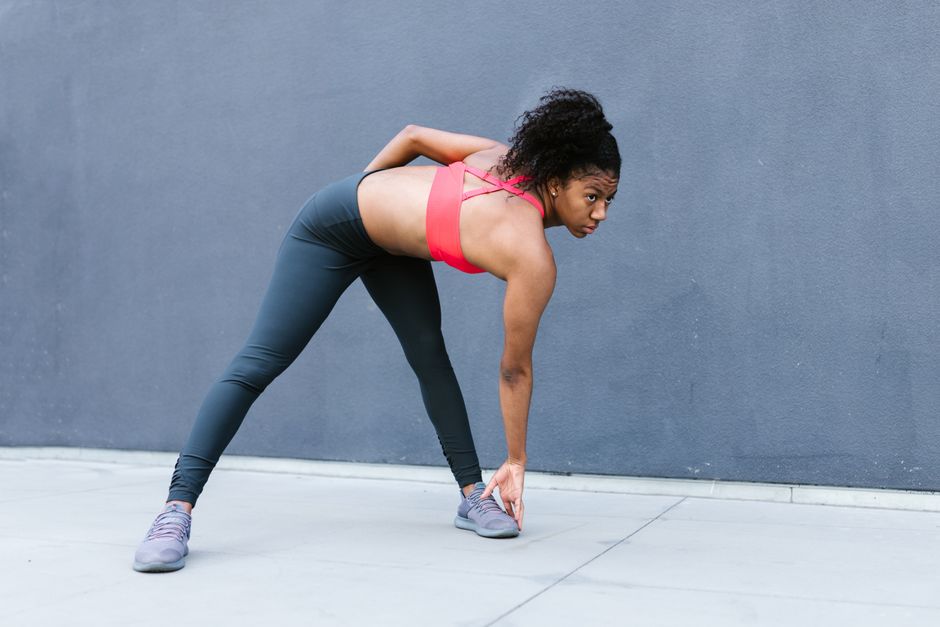
Lose stubborn belly fat through gradual overall fat loss; genetics and age affect where changes appear, and symptoms may warrant medical advice.

Under-Desk Pedal Exercisers: Useful Leg Activity Without Overclaiming
Evidence-based guidance on under-desk pedal exercisers for leg activity, desk work, comfort, and realistic weight-management expectations.