
What Is the Best Diet to Lose Belly Fat?

The best diet to lose belly fat is a sustainable eating pattern that creates a calorie deficit while supplying filling foods such as vegetables, whole fruit, whole grains, and protein sources. It reduces overall body fat, not fat from one chosen area. Tracking food and drinks can reveal manageable changes, such as replacing sugary beverages, without requiring you to eliminate carbohydrates or follow a short-term crash diet.
What should I eat to lose belly fat?
To lose belly fat, choose a pattern of eating that lowers total calorie intake while making meals satisfying enough to maintain. The National Institute of Diabetes and Digestive and Kidney Diseases (NIDDK) says weight loss requires reducing calories consumed from food and beverages, and emphasizes choosing an eating plan that can be maintained over time. That distinction matters: a plan that produces a short-lived deficit is less useful than one that fits ordinary meals and routines.
A practical meal framework is to include a protein source, vegetables or whole fruit, and a whole-grain or other minimally processed option. NIDDK lists lean meats, seafood, beans, eggs, nuts, and soy as protein sources, alongside vegetables, whole fruits, and whole grains. The framework is flexible rather than a prescribed menu: beans can contribute both protein and fiber, while the mix can change across meals.
Protein and fiber can help address a common obstacle: hunger. A 2025 review by Guarneiri, Kirkpatrick, and Maki in Lipids in Health and Disease reports that higher protein and fiber intake, alongside exercise, may help blunt hunger and cravings during weight loss and support maintenance. The review summarizes a meta-analysis in which higher-protein meals increased fullness and reduced subjective hunger compared with equal-calorie comparison meals; it also describes the weight reduction associated with higher-protein diets as modest. These findings support using protein as one part of a meal, not treating it as a guarantee of fat loss.
For a starting point, track food and drinks for a few days. The CDC recommends this to identify practical adjustments; a record can show whether calories are coming from frequent drinks, snacks, or portions that are easy to overlook. The goal is information, not perfect accounting. Choose one or two changes that preserve satisfying meals, then evaluate whether they are realistic to keep doing.
Is there a diet that specifically targets stomach fat?
No diet can selectively make the body burn fat from the stomach; a calorie deficit reduces body fat overall. Where fat changes first or most noticeably varies, so progress in one area cannot be guaranteed by choosing a particular food, meal timing pattern, or abdominal workout.
The mechanism is straightforward: eating fewer calories than the body uses creates the conditions for weight loss, but it does not direct the change to a chosen body part. NIDDK's advice to reduce calories from foods and beverages and select a maintainable eating plan supports an overall approach. A sustainable pattern is more useful than a supposed “belly-fat diet” built around a single ingredient or restriction.
Exercise can strengthen abdominal muscles without measurably reducing abdominal fat on its own. In a randomized study of 24 sedentary adults, Vispute and colleagues found that six weeks of abdominal exercises did not significantly change body weight, body-fat percentage, abdominal fat measures, or abdominal circumference. Curl-up performance improved, showing better muscular endurance. The distinction is useful: exercise may improve strength, but those results do not establish spot reduction.
For a fuller discussion of steady habits, see How Can I Reduce Belly Fat Sustainably? Waist measurements and scale readings can fluctuate day to day, so a single reading is a weak test of whether a pattern is working. Looking at measurements under consistent conditions over time, along with whether the approach is sustainable, gives a more useful picture than expecting a specific area to change first.
Which foods should I cut back on to reduce belly fat?
Cutting back on foods and drinks that add calories without much staying power can make a calorie deficit easier, but no specific food has to be banned to lose belly fat. A sensible first place to look is drinks with added sugar, followed by refined snacks that are easy to eat frequently without feeling full.
The CDC identifies sugary drinks as the leading source of added sugars in the American diet. Its Rethink Your Drink comparison lists a 12-ounce regular soda at about 10 teaspoons of sugar and 155 calories, while water and unsweetened tea contain zero calories. These figures are from the CDC's comparison table; the practical point is that switching a sweetened drink for water can reduce beverage calories without removing carbohydrates from meals.
Other examples the CDC lists include fruit drinks, sports and energy drinks, sweetened waters, and sweetened coffee or tea. Rather than treating every item as forbidden, consider frequency, serving habits, and what replacement would be acceptable. If plain water is not appealing, unsweetened tea is another option listed by the CDC. For snacks, a whole fruit or a protein-containing option can add more structure than relying on a refined snack alone.
NIDDK, citing the Dietary Guidelines, recommends limiting added sugars and saturated fat to less than 10% of daily calories each, and sodium to less than 2,300 milligrams per day. These are broader dietary limits, not a belly-fat-specific prescription. A practical sequence is to identify the largest repeatable source of excess calories, make a manageable substitution, and keep the change only if it works in ordinary life.
The CDC describes gradual weight loss of about 1–2 pounds per week as more likely to be maintained than faster loss, while stressing that results vary. It also notes that a 5% reduction in body weight can help lower the risk of some chronic diseases; its example is 10 pounds for a person weighing 200 pounds. These are population-level reference points, not a promise of a particular rate or a requirement to reach a specific number. The same CDC guidance recommends specific, trackable goals, such as replacing sugary beverages with water.
Frequently Asked Questions
Do I need to stop eating carbs to lose belly fat?
No. The evidence-backed approach is to reduce calories overall, not to eliminate an entire food group. NIDDK includes whole grains and whole fruit in its recommended eating pattern, and replacing sugary drinks can reduce beverage calories without banning carbohydrates.
How can I lose belly fat without feeling hungry all the time?
Emphasize protein-rich foods and fiber-rich options such as vegetables, whole fruit, beans, and whole grains. A 2025 review reports that higher protein and fiber intake may help blunt hunger and cravings during weight loss, although individual experiences vary.
How long does it take to see results from changing my diet?
There is no single timeline because results vary between people. The CDC says gradual loss of about 1–2 pounds per week is more likely to be maintained than faster loss; that is a general pace, not a promise or a schedule for visible changes around the waist.
Sources
- National Institute of Diabetes and Digestive and Kidney Diseases (NIDDK), Eating & Physical Activity
- Centers for Disease Control and Prevention (CDC), Losing Weight
- Guarneiri, Kirkpatrick, and Maki, Lipids in Health and Disease
- Vispute et al., Journal of Strength and Conditioning Research
- Centers for Disease Control and Prevention (CDC), Rethink Your Drink
Disclaimer: This article is for general information only and is not legal advice. Laws differ by jurisdiction and change over time. Consult a qualified lawyer about your own situation before acting on anything you read here.
Related reading
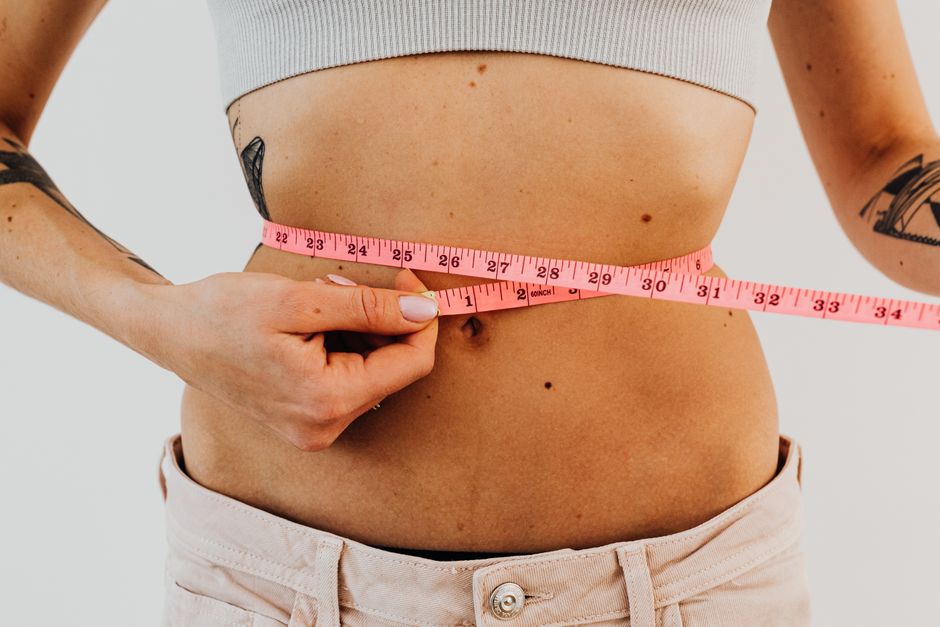
How Can I Lose Stomach Fat?
Lose stomach fat through gradual overall fat loss, track trends beyond the scale, and avoid pursuing further loss at the expense of health.
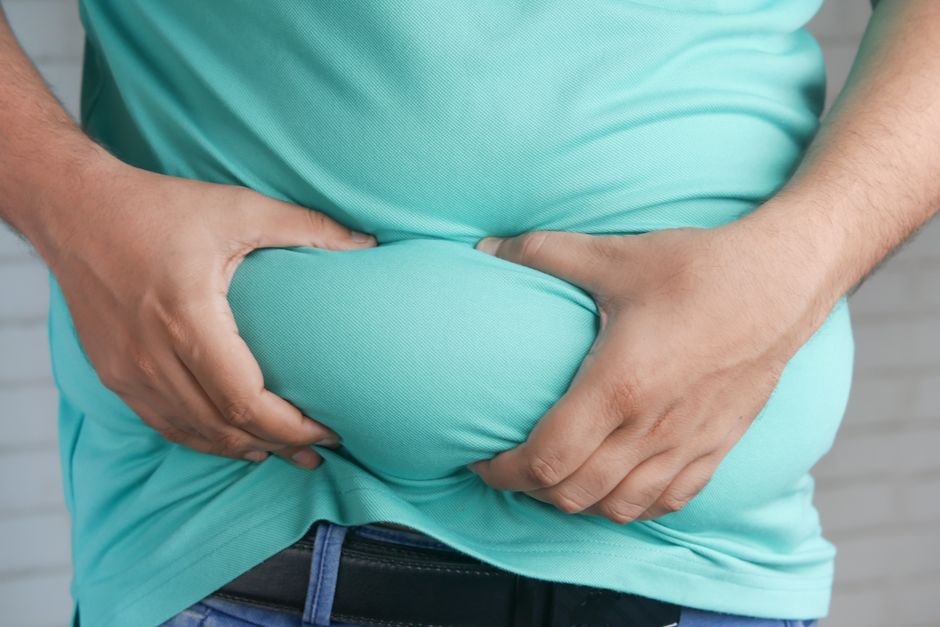
How Can I Reduce Belly Fat Sustainably?
Reduce belly fat through gradual overall fat loss, manageable nutrition changes, aerobic activity, and strength training—not spot reduction.

Laser Belly Fat Removal Cost: What the Quote Includes
Laser belly fat removal cost ranges from a historical $1,000–$1,600 per SculpSure area to surgical fees that exclude major expenses.

How Can I Get Free Legal Help After a Benefits Denial?
A practical route to free legal help after Medicare, Medicaid, SSI, or Social Security benefit denials.