
How Do I Sell Collectible Vinyl Records for the Right Price?
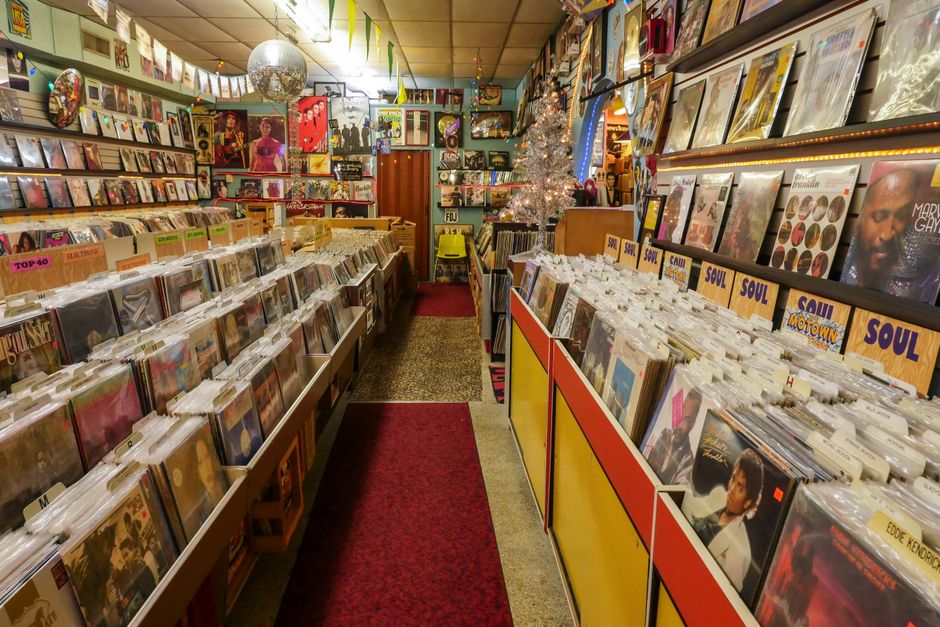
To sell collectible vinyl well, identify the exact pressing before pricing it, grade the record and sleeve separately and conservatively, then use recent sales for that specific release to choose a price and sales channel. Individual sales can support a more precise asking price; a record shop or collection buyer trades some of that upside for a faster, simpler transaction.
Vinyl remains an active market, not a shortcut to easy money. The RIAA's 2024 year-end report says U.S. vinyl revenue grew 7% to $1.4 billion, with 43.6 million LP/EP units shipped. Demand exists. The useful question is whether your copy is the version collectors are seeking, in the condition they will pay for.
How do I know whether my old records are wanted by collectors?
Collectors want an identifiable release with demand, not simply an old album title. Start by separating the record itself from the story around it: rarity, demand, and condition drive value, and Goldmine calls condition the most important determinant alongside rarity and demand.
Build a short inventory before discussing prices. For every record that appears promising, record the artist, title, label, catalog number, country, format, and visible edition details. This is the proof-before-price rule: do not call a copy collectible until you can show which physical release it is.
- Pull the record from the sleeve. A desirable jacket cannot establish the pressing on its own.
- Check the spine and labels. The catalog number is commonly printed on the jacket spine, and Discogs says it should match the physical copy.
- Inspect the dead wax. This runout area can distinguish otherwise similar pressings.
- Record condition separately. A strong pressing with a worn disc and damaged cover is not one clean, high-grade item.
This process reduces wasted effort. It also prevents a common listing mistake: using the value of a desirable edition to price a merely similar one. That is the same discipline behind comparing an individual investment on its own evidence, rather than borrowing the value of a better-known alternative.
How can I identify the exact pressing of a vinyl record?
Identify the exact pressing by matching multiple physical details, especially the catalog number and complete runout matrix, against a release listing. Discogs identifies 12 useful data points, including artist, title, label, catalog number, label matrix number, and runout matrix number.
The runout is the smooth area between the final grooves and the label. It deserves the extra minute. According to Discogs' release-identification guidance, some manufacturer-specific versions can be identified only there. Record the markings as a complete string; Discogs asks contributors to use single spaces for larger gaps.
| Check | What to capture | Why it changes the result |
|---|---|---|
| Jacket and label | Artist, title, label, catalog number | These establish the basic release candidate. |
| Country and format | Country of manufacture and the physical format | Similar titles can have separate country or format versions. |
| Runout area | Complete matrix or runout string | It can separate visually similar pressings. |
| Condition | Media grade and sleeve grade | These determine which completed sales are comparable. |
Use a literal matching script while you work: “Catalog number matches. Country matches. Runout matches. Condition is separate.” If one item does not match, keep looking. Close is not exact.
Should I use the low, median, or high Discogs price when selling?
Use the median as a starting reference after confirming the exact release and comparable condition; move toward the low or high end only when the copy's condition supports it. Discogs sales history shows the 30 most recent completed-sale prices for a release, and its release page calculates the lowest, median, and highest values from those sales.
The numbers are evidence, not a command. The price range belongs to that release page, so it loses meaning if the pressing is wrong. Then condition applies a second filter. Discogs states that, under the Goldmine Standard, a VG+ vinyl record is generally worth about 50% of Near Mint value, while VG is generally worth about 25%; Good or Good Plus is generally worth 10% to 15%, and Poor or Fair 0% to 5%.
Use this pricing sequence:
- Match the release. Do not compare a look-alike edition.
- Choose the media grade first. A shiny sleeve does not repair playback wear.
- Grade the sleeve separately. The buyer is purchasing both physical components.
- Read the recent sale range. Start from the median when the condition is broadly comparable.
- Write a defensible listing. State the flaws that justify your position within the range.
Discogs' grading guide makes the practical standard clear: Near Mint vinyl should play perfectly without obvious wear, while VG can show audible surface noise, groove wear, and scratches that affect sound, provided the noise does not overpower the music. Do not price a VG copy as though it were Near Mint and expect the description to rescue it.
Is it better to sell my collection to a record shop or sell records individually?
Sell individually when exact identification and condition support a clear, evidence-based listing; choose a record shop, dealer, or collection buyout when speed and simplicity matter more than maximizing each title. The supplied sources do not publish a standard discount for shop offers, so any precise percentage would be invented.
Individual selling is a series of small operations: inventory, release matching, grading, photos, description, price review, buyer communication, and fulfillment. It fits the records that have enough demand and identifiable detail to justify that work. Discogs says listings require separate media and sleeve condition selections, and its automated suggested price uses the selected media condition plus recent sales of similar-condition copies.
A shop or collection buyer changes the trade. You receive one offer and avoid building many listings, but the buyer must make a commercial decision across the collection. Ask for an offer after inventorying the strongest titles. Bring the catalog and runout evidence, not just album names.
Use this clean channel test: “Will the likely difference between an individual sale and the offer justify the work required to list this copy accurately?” If the answer is yes, list it. If the answer is no, take the faster route with clear eyes.
Frequently Asked Questions
How do I grade vinyl records accurately before listing them?
Grade the record and sleeve as separate items using the Goldmine Standard used by Discogs Marketplace. Inspect under strong light, play-test only when you can accurately report the result, and describe visible or audible flaws rather than letting the grade carry the whole message. Goldmine advises conservative grading: a buyer who finds the copy better than described is easier to keep than one who feels surprised by defects.
What should I photograph and disclose to avoid disputes with buyers?
Photograph the exact copy's front and back cover, labels, catalog number, and any important flaws such as writing, tape, seam splits, cut-out holes, or wear. Disclose the media and sleeve grades separately, then add condition comments that explain defects in plain language. Discogs specifically provides separate media and sleeve fields, with optional comments intended to clarify the particular copy being sold.
How much less should I expect from a record store than from a private sale?
The supplied sources do not provide a percentage or formula for the difference between a record-store offer and a private sale. Treat the two options as different transactions: a private sale requires identification, listing, buyer communication, and fulfillment, while a shop or collection buyer offers a simpler route. Get a clear offer and compare it with the recent-sale evidence for the exact release before deciding.
This week's drill: choose three records, write down their catalog numbers and complete runouts, assign separate media and sleeve grades, and compare each exact release with recent sales. That one small inventory turns a vague stack into a set of decisions you can defend.
Sources
- Discogs Community Support: How To Find Information On A Vinyl Record
- Discogs Community Support: Where Can I Access Sales History?
- Discogs Community Support: How To Grade Items
- Discogs Community Support: How To Sell Music On Discogs
- Goldmine Magazine: Collecting 101, Grading Your Records
- RIAA 2024 Year-End Revenue Report