
Which Vinyl Records Should I Pull Aside Before a Bulk Sale?
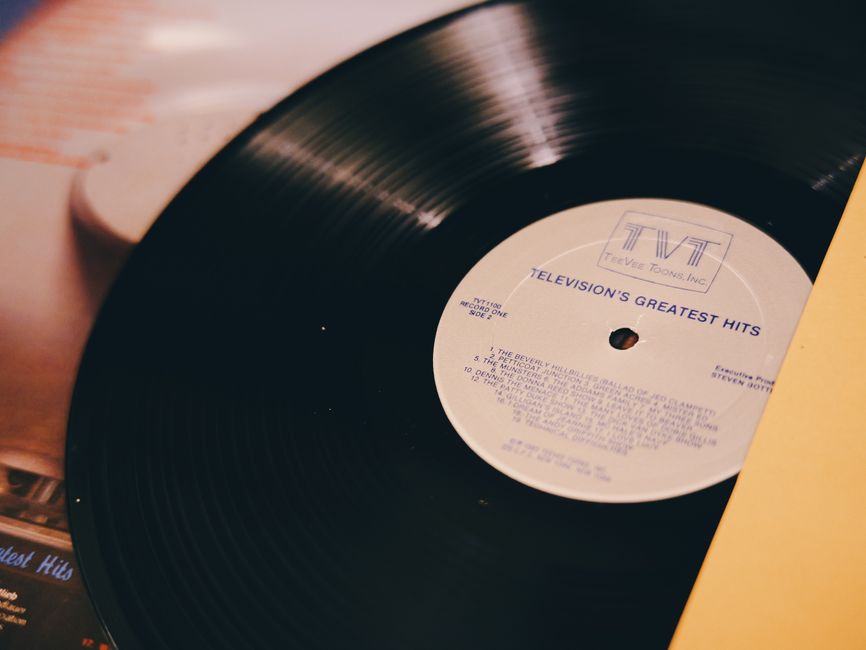
Before accepting a bulk offer, pull aside records that may be specific first pressings, harder-to-find editions, imports, promos, or unusually clean copies, then identify each one by catalog number, label, and runout markings. Do not price an album from its artist and title alone: the exact release and condition determine whether a dealer sees common stock or a record worth researching separately.
There is real demand for vinyl, but demand for the format is not a blank check for every album. The Recording Industry Association of America reported that U.S. vinyl revenue grew 7% to $1.4 billion in 2024 and that vinyl albums outsold CDs in units for the third consecutive year. Your job is not to turn every sleeve into a sales pitch. It is to keep the potentially distinctive records out of the common-stock pile until the evidence is clear.
Which vinyl records are collectors looking for right now?
Collectors are looking for specific releases, especially first pressings and harder-to-find albums, rather than simply any copy of a famous title. In a 2024 SPIN interview, record-store owner Keith Wilson described that buyer preference directly. That is the operating rule: artist recognition gets a record inspected; release details decide whether it deserves time.
Make three piles before anyone names a price. Call this the hold, verify, move pass. It prevents the most expensive mistake in collection selling: allowing one vague price per album to erase the differences between editions.
| Sort pile | What belongs there | Next move |
|---|---|---|
| Hold | Records with unfamiliar labels, unusual packaging, foreign-country details, promo markings, a distinctive catalog number, or unusually clean vinyl and cover. | Keep them out of the bulk offer until you identify the exact release. |
| Verify | Well-known artists and albums with uncertain edition details or condition. | Check catalog number, label, barcode, track details, and runout markings against a specific Discogs release. |
| Move | Copies with serious damage or no reason, after a quick inspection, to think the edition is distinctive. | Include them in the dealer conversation, but describe condition honestly. |
This is a triage system, not a promise of value. The supplied sources do not support a universal list of “hot” genres or labels. They support a better method: look for rarity and edition evidence, then test it against completed sales for the exact item.
What records should I pull aside before selling a collection to a store?
Pull aside anything that looks edition-specific, anything complete and notably clean, and anything whose identifiers have not yet been checked. Do this before cleaning aggressively, stacking the records, or letting multiple people handle them. The Library of Congress advises handling vinyl only by the outer edge or label area and storing discs vertically rather than stacked; those basics help avoid adding fresh surface damage while you sort.
Use this inspection script for each candidate: “What is printed on the sleeve and label? What is etched or stamped in the runout? Does the disc match the sleeve? What is the condition of each?” You are reducing ambiguity, not trying to become a dealer in an afternoon.
- Separate disc from sleeve information. Grade and note them independently. A strong cover does not repair a scratched record, and a clean record can still lose appeal if important packaging is damaged or missing.
- Record the catalog number exactly. Discogs notes that it may appear on the jacket front, spine, back cover, label, or disc itself.
- Inspect the runout area. According to Discogs Community Support, manufacturer and pressing differences may only be distinguishable there.
- Photograph or transcribe before seeking offers. Keep the record, cover, inserts, and any identifying notes together. A clear match saves re-explaining later.
For a collection that represents a meaningful household asset, use the same discipline you would use when comparing a major financial choice: document the item, compare the options, and understand what convenience costs. The trade-off is similar to deciding whether to invest $100,000 all at once or spread it out over time: the right answer depends on your time, goals, and tolerance for managing the work yourself.
Do record stores want classic rock records, or are most common albums worthless?
Record stores can want classic rock, but a familiar album title alone does not make a copy a priority buy. Wilson told SPIN that buyers look for used first pressings and harder-to-find albums, and the article reports a Beatles “Yesterday and Today” butcher-cover copy selling for more than $3,000. The lesson is not that every Beatles or classic-rock record is valuable. The lesson is that edition-specific packaging can change the conversation.
Dealers also buy with resale work in mind. In the same SPIN report, Wilson described buying an inherited collection of 5,500 jazz and rock albums for $1,500 in store credit. That example is not a pricing formula for your collection. It is a useful reality check: a bulk buyer is pricing a large sorting, grading, storage, and selling job, not adding up the best imaginable retail figure for every record.
Condition is where wishful thinking usually enters. Discogs uses the Goldmine standard, under which a Very Good Plus record is generally worth about 50% of Near Mint value, a Very Good copy about 25%, and a Good or Good Plus copy about 10% to 15%. Cracked or badly warped records that skip or repeat are generally worth about 0% to 5% of Near Mint value. Check the full definitions in Discogs' grading guidance, then describe flaws plainly instead of calling everything “great condition.”
Grade under strong light and keep the words specific: “light surface marks,” “audible noise,” “warped,” or “sleeve seam damage.” Goldmine also emphasizes condition as the leading determinant of value, alongside rarity and demand. A clean common record may still be sellable; a damaged scarce record may still be worth identifying. Do not let either fact substitute for the other.
How do I tell whether a record is an original pressing, promo, import, or reissue?
You tell by matching physical identifiers to a specific release record, not by trusting the cover date or a seller’s label. Start with the catalog number and label, then compare the barcode, track listing, country information, credits, and runout matrix. Discogs points out that Pink Floyd's The Dark Side of the Moon has been pressed on vinyl more than 400 times, which is why “artist plus album” is not an identification method.
An original pressing, promo, import, and reissue are labels that require evidence from the particular copy in front of you. The supplied sources do not provide a universal visual shortcut for each category. What they do provide is the verification path: catalog and matrix information, label details, and country-specific clues. Discogs notes that European releases may carry label, price, or Deposito Legal codes generally absent from U.S. releases.
Once you locate a candidate release, use the Discogs vinyl price guide process: confirm the release match, then read its sales history and condition notes. Its low, median, and high values are based on the 30 most recent Marketplace sales for that item. That is a completed-sale signal, not an invitation to copy an optimistic asking price from an unmatched listing.
Use a simple before-and-after replacement when discussing value. Weak: “This album goes for a lot online.” Strong: “This catalog number, label, and runout match this release; its recent completed sales range is shown here, and this copy is graded below Near Mint because of these visible and audible issues.” The second version gives a dealer or buyer something they can verify.
Choose the sale route after this pass. A local dealer fits a collection when speed and a single transaction matter. Consignment or an auction may fit when a collection has records worth expert attention, although the provided sources do not establish fees or outcomes for either route. Individual online listings fit the small set you can identify and grade carefully. Do not list every record by default; reserve your time for the records that survived the hold-and-verify process.
Frequently Asked Questions
Which genres and labels are most likely to interest vinyl buyers?
There is no reliable genre-or-label shortcut in the provided sources. A record-store owner interviewed by SPIN said customers chiefly seek first pressings and harder-to-find albums, while the same article describes a large inherited jazz and rock collection. Start with edition-specific clues, then verify demand and completed sales for that exact release.
How much does condition affect whether a dealer will buy my records?
Condition can change the decision dramatically. Discogs' Goldmine-based guidance puts a VG+ record at about half of Near Mint value, VG at about a quarter, Good or Good Plus at roughly 10% to 15%, and cracked or badly warped copies that skip or repeat at about 0% to 5%.
Should I sell a large record collection as a lot or list the best records individually?
Use a bulk sale when speed, space, and a simple transaction matter most; reserve the identifiable, clean, harder-to-find records when you can spend time verifying each release and its sales history. A dealer has to account for sorting, grading, storage, and reselling the collection, so a bulk offer is not the same thing as the combined retail value of individual records.
Your homework is short: choose five records from the hold pile this week. For each one, write down the catalog number, label, runout markings, country clues, and separate disc-and-sleeve condition. Then compare only exact Discogs matches and decide which records deserve to stay out of the bulk offer.
Sources
- Recording Industry Association of America, 2024 Year-End Revenue Report
- Library of Congress, National Recording Preservation Plan FAQ
- Discogs, Vinyl Record Price Guide
- Discogs Community Support, How to Find Information on a Vinyl Record
- Discogs Community Support, How to Grade Items
- SPIN, The Record Store: Need Some Furniture With That Vinyl?
Related reading
How Do I Sell Collectible Vinyl Records for the Right Price?
Identify collectible vinyl, grade it conservatively, price exact pressings with recent sales, and choose the right selling channel.