
How to Sell a Sports Card Collection Without Pricing Every Card
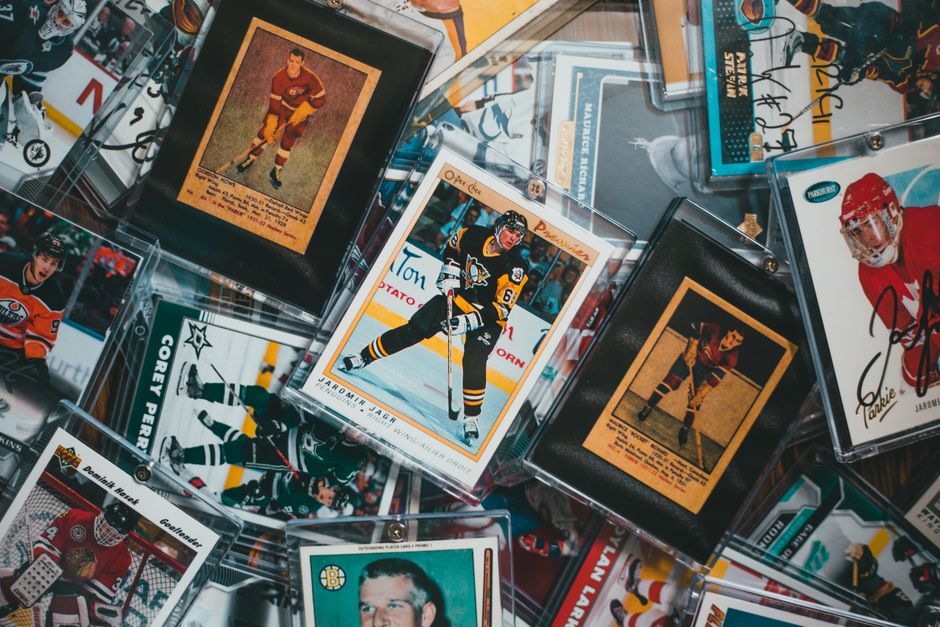
To sell a large sports card collection efficiently, sort it into a few clear groups rather than pricing every card: pull aside cards that merit individual research, then compare selling the remainder as a lot, through a local shop, or via consignment. Document what you have with photos and a concise inventory, and weigh potential return against fees, time, and shipping work.
How can I sell a large collection without pricing every card individually?
You can avoid pricing every card by using a triage pass: identify cards that may justify individual research, then group the rest into well-described lots. The goal is not to declare a card valuable by appearance; it is to keep potentially important items from disappearing into a bulk sale while avoiding hours of research on every common card.
Start with the collection’s broad shape. Note the sports, approximate eras, brands or sets if known, and whether cards are loose, boxed, or already organized. Photograph representative cards and any obvious standouts, then make a short inventory. Be specific about what you know and label uncertainty plainly rather than claiming a complete set or a particular condition without checking.
The Athletic reported that card production topped an estimated 80 billion annually at the early-1990s peak, and its reporting identifies overproduction as one factor behind the market’s decline. That context helps explain why many ordinary cards from the 1980s and 1990s may be difficult to sell one by one. An organized lot can be a more practical route for those cards.
Next, compare the buyer’s convenience against your own work. A local shop or bulk buyer may reduce listing and shipping tasks, while an online marketplace or consignment can give selected cards a more targeted sale. For a useful model from another collectibles category, see Which Vinyl Records Should I Pull Aside Before a Bulk Sale?: the same basic triage principle applies—separate candidates for individual attention, then sell the remainder in a clearly described group.
Should I sell old cards as one lot or sort out the valuable ones first?
Sort out cards that merit further research first, then decide whether the remaining older cards make sense as one lot. Selling everything together is simpler, but it gives a buyer less reason to pay separately for individual cards; researching every card first can consume more time than the likely sale justifies.
Use a quick three-step triage. First, separate cards that look notably different from the surrounding bulk, such as cards in unusually strong condition or items you can identify as scarce or sought after. Second, check those candidates against reliable sale information before assigning a price. Third, keep the rest together in groups that are easy to understand, such as by sport or era, and describe the sorting level honestly.
Do not treat age alone as proof of value. The Athletic’s account of early-1990s overproduction is a useful reason to be cautious about assuming that an older card is rare. The provided sources do not supply a universal valuation threshold, price guide, or rule for which cards should be pulled, so the sensible dividing line is whether further research could meaningfully change your selling decision.
There is also a middle option: consign selected cards and sell the remainder as a lot. PSA says its consignment service handles listing details, photography, packaging, shipping, and customer service for cards listed through its eBay storefront. It charges a fee based on the sale price and says there are no additional eBay fees for the service. Compare the current fee terms with the amount of work you would otherwise take on.
Where can I sell sports cards locally?
You can start locally by contacting sports card shops and asking whether they buy collections, make offers on selected cards, or accept consignments. The supplied research does not identify a directory of current local buyers, so confirm each shop’s services before making a trip.
Send a concise message with a few photos, the collection’s approximate size, the sports and eras represented, and whether the cards are organized. Ask whether the shop wants to see the whole collection or only selected cards, and what information it needs to make an initial assessment. This gives the buyer enough context to respond without requiring you to prepare a card-by-card catalog.
Expect local convenience and maximum return to be separate questions. A shop may save you the work of listing and shipping individual orders, but the research provided does not publish typical local-shop offer amounts or margins. Ask what the offer covers, whether it is for the entire collection or only specific cards, and whether you can decline after an in-person review.
Organized secondary-market channels have a long history: a 1995 study in Managerial Finance examined selected sports-card portfolio strategies from March 1988 through December 1993 and described a dealer network and price-information suppliers. That history supports comparing more than one route, not assuming that one channel always pays best. The Los Angeles Times’ 1992 report also documented concerns about theft, counterfeit cards, and scams in the growing market, so keep records and be attentive to authenticity when discussing valuable items.
Compare the selling routes
| Option | Who it suits | Cost | Key limitation |
|---|---|---|---|
| Sell as a lot to a local buyer | Sellers prioritizing a simpler handoff; specific buyer suitability is not published | not published | Typical offer amounts are not published |
| Individual online listings | Sellers seeking price control or negotiation, as described in the PSA eBay guide | not published | PSA says listings can become less visible after about 60 days and recommends reviewing or refreshing unsold listings |
| Online auction | Sellers seeking a sale on a schedule, according to the PSA eBay guide | not published | Payment and sale outcome depend on the auction process; other terms are not published here |
| PSA consignment | Sellers who want listing, photography, packaging, shipping, and buyer service handled | Fee based on sale price; PSA says there are no additional eBay fees for this service | Fees reduce proceeds, and the exact fee depends on sale price |
For any route, use a description that reduces buyer guesswork: say what is included, how it is grouped, what you have and have not verified, and whether condition has been assessed. Keep photos and a copy of the inventory with your sale records. Those steps do not guarantee a particular price, but they make the offer easier to evaluate and the transaction easier to document.
Before you commit, write down your priority: least effort, a faster scheduled sale, or more control over individual asking prices. Then compare the options against that priority and ask one buyer or service for clear terms. Make the next move this week: photograph the collection, create a rough inventory, and pull aside only the cards that justify closer research.
Frequently Asked Questions
Will a card shop buy cards from the 1980s and 1990s?
Some shops may consider them, but the provided sources do not establish that every shop buys cards from those decades. The Athletic reported that production topped an estimated 80 billion cards annually at the early-1990s peak, and described overproduction as one factor in the market’s decline. Contact nearby shops with photos and a rough inventory before transporting the collection.
How do I avoid getting underpaid when selling a collection?
Separate cards that warrant individual research before offering the remainder as a bulk lot, and get more than one offer when practical. Photograph and describe the collection clearly, and ask buyers to explain what their offer includes. The Los Angeles Times documented concerns about theft, counterfeit cards, and scams in its 1992 report, making careful documentation and attention to authenticity especially relevant for valuable cards.
Sources
Related reading

What Golf Programs Can People Over 65 Join in Madrid?
Find Madrid golf programs for people over 65, understand historical discounts, compare beginner lessons and check course requirements.
How Do I Estimate a Sports Card’s Current Market Value?
Learn to estimate a sports card’s value with recent exact-card sales, while adjusting for condition, grade, parallel, and sale type.