
How Do You Choose Shade Covers for Patio Spaces?
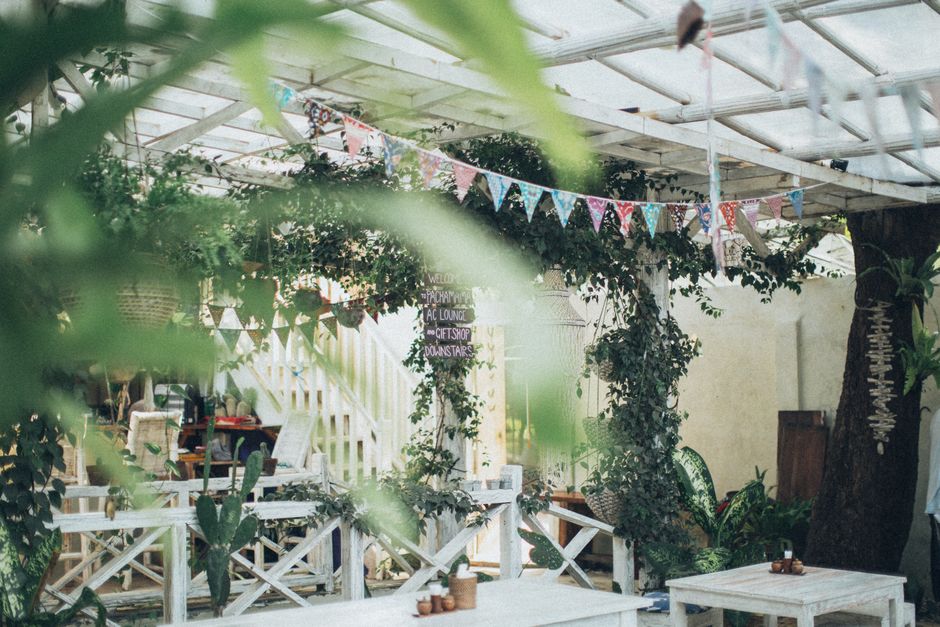
Choose shade covers for patio use by matching the material to the weather: breathable HDPE mesh for airflow and sun protection, a waterproof cover or canopy when rain protection matters, and a retractable canopy when you need adjustable coverage. Measure the area and hardware clearance, position shade for the time of day you use the patio, and attach the cover only to sound structural anchors with a slope for runoff.
What type of shade cover works best for a patio?
The best patio shade cover depends on whether you need airflow, rain protection, or coverage you can adjust. A breathable HDPE mesh sail is suited to blocking sun while allowing air to move through; a waterproof cover is better when keeping rain off the patio is the priority. A canopy tent offers a freestanding option that can be stored over winter, while a retractable canopy lets you change coverage as conditions and use change.
Shade cloth is not a single fixed level of darkness. Kansas State University Extension says shade cloth commonly ranges from 20% to 70% opacity, so the selected cloth changes how much light passes through. The same Extension guidance emphasizes airflow: inadequate airflow can increase humidity, and cloth that flaps in wind can be damaged if it is not securely fastened.
For a fixed sail, the trade-off is simplicity versus control. Once tensioned and positioned, it provides a defined patch of shade; a retractable canopy allows coverage to be adjusted, but its supports and operating instructions still matter. For a temporary canopy tent, the University of Illinois Extension notes that sizes vary and that the tent can be stored over winter. Anchor the legs and monitor it in wind or heavy rain.
Are patio shade sails waterproof, or do I need a canopy for rain?
Do not assume a shade sail is waterproof: if reliable rain cover is required, choose a product explicitly designed for that purpose and install it with drainage slope. The sources describe breathable shade cloth and separately discuss canopies and runoff; the material's label and installation instructions determine whether a particular cover sheds rain.
A waterproof fabric without a drainage route can create a different problem: water can collect, adding load and increasing the risk of failure. Coolaroo's installation guide specifies a height difference between high and low points of at least 16% of the sail's longest side for runoff. That figure is a manufacturer instruction for its sail system, not a universal specification for every canopy, so check the chosen product's directions.
For canopy tents, University of Illinois Extension advises keeping an eye on the structure during wind or heavy rainfall and promptly removing pooled water to reduce collapse risk. A practical choice follows from the combination: use breathable mesh when airflow and sun are the main goals; use a rain-rated, sloped cover when dry shelter matters; and avoid treating a flat or poorly drained cover as a substitute for a rain-ready design.
How do I measure my patio and choose the right size shade cover?
Measure the area you want shaded before buying, then account for the gap between the sail corners and the anchors. Mississippi State University Extension Service recommends measuring the intended shaded area before purchase and planning one secure anchor point for each corner. The shade footprint and the fixing-point distances are related but not identical because tensioning hardware occupies space.
Coolaroo recommends allowing an additional 10% of the sail length at each corner for accessories and fabric stretch. GERMES gives a different practical allowance: 30–50 cm per corner for carabiners and turnbuckles. These are guidance from different installation sources, not interchangeable universal measurements; use the clearances and hardware specified for the product you buy.
| Planning question | What to do | Why it matters |
|---|---|---|
| Where do you need shade? | Measure the intended shaded area and note when the patio needs cover. | A centered cover may miss low afternoon sun. |
| What shape suits the anchors? | Compare triangles and rectangles with the available fixing points. | Each corner requires a secure anchor. |
| How much hardware clearance is needed? | Follow the product guide; account for accessories and stretch. | The sail must reach its fixing points and tension correctly. |
| Where will rain go? | Plan high and low corners before installation. | Slope directs runoff and helps prevent pooling. |
Coverage should also follow the sun rather than the patio's geometric center. University of Illinois Extension points out that a tree on the south or west side can block intense afternoon summer sun. The same directional logic applies when positioning a cover: consider where the sun falls during the hours you use the space, and place the shaded zone accordingly. A properly sized sail in the wrong position can leave the seats exposed when shade is most needed.
Can I attach a shade sail to my house, pergola, or fence?
Attach a shade sail only to fixing points that can carry its tension loads; a fence, gutter, or lightweight trellis should not be assumed to qualify. Mississippi State University Extension Service advises planning a secure anchor for every corner and describes using house eaves and ground posts for a triangle, with an additional house-side anchor for a rectangle. Posts should be sturdy, secured in concrete, and appropriate to the wind loads at the site.
GERMES says masonry, concrete, or posts set in foundations can take tensile loads, while gutters and trellises cannot. A pergola may work only if its structural members are sound and capable of carrying the load; the name of the structure alone does not establish that. For a house attachment, Coolaroo says a fascia fixing should transfer load to the primary roof structure using fascia support. Roof rafters or façade anchors must carry the load, not decorative trim.
Installation details affect whether the sail stays tensioned and drains correctly. Coolaroo recommends at least two fixing points with turnbuckles, and says to stop tensioning when the sail is rigid with little or no creasing; over-tensioning can cause problems. The guide also cautions that requirements vary with soil, anchors, wind, and local regulations, and recommends consulting a qualified builder or engineer when needed. Mississippi State University Extension similarly describes chains and turnbuckles for tensioning.
Wind planning is part of choosing the anchor system, not an afterthought. Kansas State University Extension warns that shade cloth can flap and be damaged by wind movement. GERMES recommends retracting or taking down a sail before bad weather when suitable shelter is unavailable. Follow the product's wind guidance and local conditions, and do not rely on a weak attachment point to hold a tensioned cover.
Frequently Asked Questions
How much space should I leave for shade sail mounting hardware?
Allow extra room between the sail corners and fixing points for turnbuckles, carabiners, and fabric stretch. Coolaroo recommends an additional 10% of sail length at each corner, while GERMES advises 30–50 cm per corner; follow the installation guide for the specific sail and hardware.
How do I stop rainwater from pooling on a patio shade cover?
Install the cover with a clear high-to-low slope so water runs off rather than collecting. Coolaroo specifies a height difference of at least 16% of the longest side, and the University of Illinois Extension advises removing pooled water promptly from canopy tents.
Will a patio shade cover hold up in strong wind?
Wind performance depends on the cover, its anchors, and installation, so no cover should be assumed safe in strong wind. Secure canopy legs, use sound structural fixing points, and monitor conditions; take down or retract a sail before bad weather when appropriate.
Sources
Related reading
New Riding Mowers: Choose the Right Fit for Your Yard
Choose new riding mowers by matching mower type and deck width to your yard, then compare service support and total ownership costs.
Pearl Bracelet for Women: Choose Real Pearls and the Right Fit
A pearl bracelet for women may use real cultured pearls or imitations; compare quality, disclosed treatments, and fit before buying.

Birthstone Bracelet for Grandma: Choose the Right Fit
Choose a birthstone bracelet for grandma by matching its style, stone care, and sizing to her preferences, then confirm material and future updates.
Which Low-Maintenance Foundation Shrubs Fit My Home and Yard?
Choose low-maintenance foundation shrubs by matching mature size, sun, drainage, clay soil, deer pressure, and house clearance.