
Pearl Bracelet for Women: Choose Real Pearls and the Right Fit
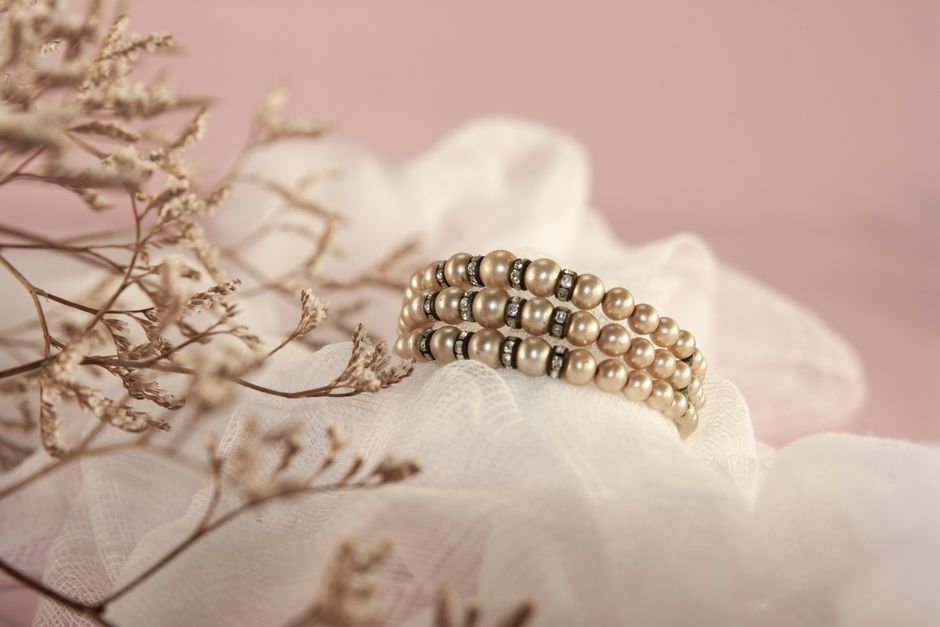
A pearl bracelet for women can use real cultured pearls, which are genuine pearls formed in a mollusk, or imitation materials such as plastic, shell, or composites. Prices vary with pearl type and quality, and the sources provided do not publish comparable bracelet price ranges. Check luster, surface, matching, disclosed treatments, and fit; ask a jeweler for an independent identification report if authenticity is uncertain.
How expensive is a real pearl bracelet?
There is no dependable price range for a real pearl bracelet in the supplied sources: they explain what affects value but do not report retail bracelet prices. A price comparison without matching pearl type, size, quality, and construction would be misleading.
The Gemological Institute of America (GIA) identifies seven value factors: size, shape, color, luster, surface quality, nacre quality, and matching in multi-pearl jewelry. Larger pearls generally cost more when other factors are comparable, and round pearls can command a premium because they are difficult to culture. Luster—the sharpness and brightness of reflections—is a particularly useful feature to inspect, but it is not a substitute for considering the others.
Pearl type helps explain the range of possible looks and sizes, not a guaranteed price ladder. The American Gem Trade Association (AGTA) lists typical sizes of 3–10 mm for Akoya, 10–20 mm for South Sea, 8–16 mm for Tahitian, and 3–14 mm for freshwater pearls. These ranges overlap, and size alone cannot establish value. Freshwater pearls are often less expensive because production is abundant; GIA calls them “one of the jewelry world’s biggest bargains.”
| Option | Who it suits | Cost information | Key limitation |
|---|---|---|---|
| Freshwater | Shoppers considering varied sizes and shapes | Often less expensive; bracelet price not published | Individual quality still varies by value factors |
| Akoya | Shoppers seeking mirror-like sheen and round shape | Bracelet price not published | Typical size range is 3–10 mm |
| Tahitian | Shoppers seeking dark colors and colored overtones | Bracelet price not published | Typical size range is 8–16 mm |
| South Sea | Shoppers seeking larger pearls | Bracelet price not published | Typical size range is 10–20 mm |
Use the table to narrow the type by appearance and size, then compare actual pieces for luster, surface condition, and consistency. A strand with deliberately mixed colors or shapes can be a design choice rather than a flaw; the relevant question is whether the variation is disclosed and suits the intended look.
How can I tell if a pearl bracelet is real or fake?
Cultured pearls are real pearls; imitation pearls are other materials made to look like pearls. According to GIA’s explanation of cultured pearls, a cultured pearl forms after a nucleus is introduced into a mollusk, which then produces the pearl. Imitations commonly use plastic, shell, or composite materials.
Appearance alone does not always settle the question. Look for bright, sharp reflections and inspect the surface for marks, but treat these as quality clues rather than proof of origin. Some minor surface marks are common; numerous or severe marks can lower value and affect durability. Thin nacre may reduce luster and durability, and the nucleus can become visible beneath it.
A gentle surface-to-surface rub may help identify many imitations: Jewelers of America notes that imitations often glide smoothly while nacreous pearls can feel gritty. Do not force the test or scrape pearls, since pearls are relatively easy to abrade. If the distinction matters and remains uncertain, ask a jeweler about an independent pearl identification report.
Ask the seller to identify the pearl as freshwater, Akoya, Tahitian, or South Sea, and to disclose enhancements. AGTA says dyeing, tinting, and buffing should be disclosed at the point of sale. Clear documentation is more useful than a confident-sounding label on its own.
Are freshwater pearls real pearls?
Yes, freshwater cultured pearls are real pearls formed in freshwater mollusks. Culturing involves human intervention, but the pearl itself forms in the mollusk; it is not the same as an imitation bead made from plastic or another material.
Freshwater pearls often offer substantial variety. AGTA notes that a single freshwater mussel can produce more than one pearl at a time, contributing to the range of shapes and sizes. GIA likewise explains that freshwater production is abundant, which helps account for their often lower cost. Abundance does not mean every freshwater pearl has the same quality: luster, surface, size, shape, color, nacre, and matching remain relevant.
For a bracelet, inspect the full set rather than judging one pearl. Ask whether pearls are intended to match closely or whether mixed shapes and colors are part of the design. For strung jewelry, knots between pearls can help prevent loss if the strand breaks and keep pearls from rubbing against each other.
What should I look for when buying a pearl bracelet for women?
Look for a clearly described pearl type, visible quality, disclosed treatments, a secure and usable fastening, and a length that fits your wrist. The buying decision becomes clearer when those points are checked separately instead of letting a “real pearl” label stand in for overall quality.
Check quality and construction
Compare luster first: bright, sharp reflections indicate stronger luster, while dull or chalky appearance can signal thin nacre and reduced durability. Then examine the surface and how consistently the pearls are matched. For a multi-pearl bracelet, matching refers to how well the pearls correspond in their quality factors, though deliberate variation can be an intentional design.
Inspect the clasp and ask what metal it is made from; the sources provided do not establish that gold or silver is universally better. Consider whether you can operate it comfortably and whether an extension chain is included. An extension chain can give adjustment options, but the seller’s stated length should make clear whether it is included in the measurement.
Measure for fit
Measure around your wrist at the point where the bracelet will rest, then compare that number with the finished bracelet length listed by the seller. Check whether the stated length includes the clasp and any extension chain, and ask about fit if the seller does not explain it. The supplied sources do not define a universal allowance between wrist and bracelet measurements, so avoid assuming one standard fit.
If the bracelet is strung, look for knots placed snugly between pearls. Jewelers of America describes uniformly placed knots as a useful construction feature; GIA notes that knots can limit pearl-to-pearl rubbing and help reduce losses if a strand breaks.
Wear and care
- Put perfume, hairspray, and cosmetics on before the bracelet.
- Make pearls the last jewelry you put on and remove them before activities involving chemicals or hard knocks.
- Wipe them after wearing with a very soft, clean cloth.
- For occasional thorough cleaning, use warm, soapy water; do not use ultrasonic or steam cleaners.
- If the pearls are strung, let the string dry completely before wearing.
- Store the bracelet separately in a soft pouch or wrap to reduce scratches from other jewelry.
GIA gives pearls a Mohs hardness of 2.5, so scratches and abrasion are realistic concerns. Its care guidance and AGTA’s advice point to the same practical sequence: reduce contact with chemicals and abrasive objects, clean gently after wear, and store apart from harder jewelry.
Frequently Asked Questions
How do I choose the right pearl bracelet size?
Measure your wrist where the bracelet will sit, then compare that measurement with the finished bracelet length and the seller’s fit guidance. The sources provided do not specify a standard ease allowance, so confirm the fit with the seller, especially if the bracelet has a clasp or extension chain.
Is a gold or silver clasp better for a pearl bracelet?
The sources provided do not compare gold and silver clasps or establish one as better. Choose a clasp you can operate securely and comfortably, and check the seller’s description for the clasp material rather than inferring it from the bracelet’s appearance.
Can I wear a pearl bracelet every day, and how should I care for it?
Pearls can be scratched and damaged by heat and chemicals, so everyday wear calls for careful handling. Put them on after perfume and cosmetics, remove them before exposure to chemicals or hard knocks, wipe them with a soft clean cloth after wearing, and store them separately; do not use ultrasonic or steam cleaners.
Sources
- Gemological Institute of America, Pearl Buyer’s Guide
- Gemological Institute of America, Are cultured pearls considered “real” pearls?
- Gemological Institute of America, Pearl Quality Factors
- Gemological Institute of America, Pearl Care and Cleaning Guide
- American Gem Trade Association, Pearls
- Jewelers of America, Pearl Buying Guide
Related reading

Birthstone Bracelet for Grandma: Choose the Right Fit
Choose a birthstone bracelet for grandma by matching its style, stone care, and sizing to her preferences, then confirm material and future updates.
Plus Size Formal Dresses for Weddings: Choose the Right Fit
Match the dress code, check measurements and comfort, and allow time for returns and alterations when choosing plus-size wedding guest formalwear.

New Riding Mowers: Choose the Right Fit for Your Yard
Choose new riding mowers by matching mower type and deck width to your yard, then compare service support and total ownership costs.

How Do I Choose Supportive Plus-Size and Curvy Swimwear That Fits?
A measurement-led guide to supportive plus-size swimwear, separate sizing, coverage, comfort, and chafing prevention for active water days.