
What Is the Best Way to Lose Stomach Fat?
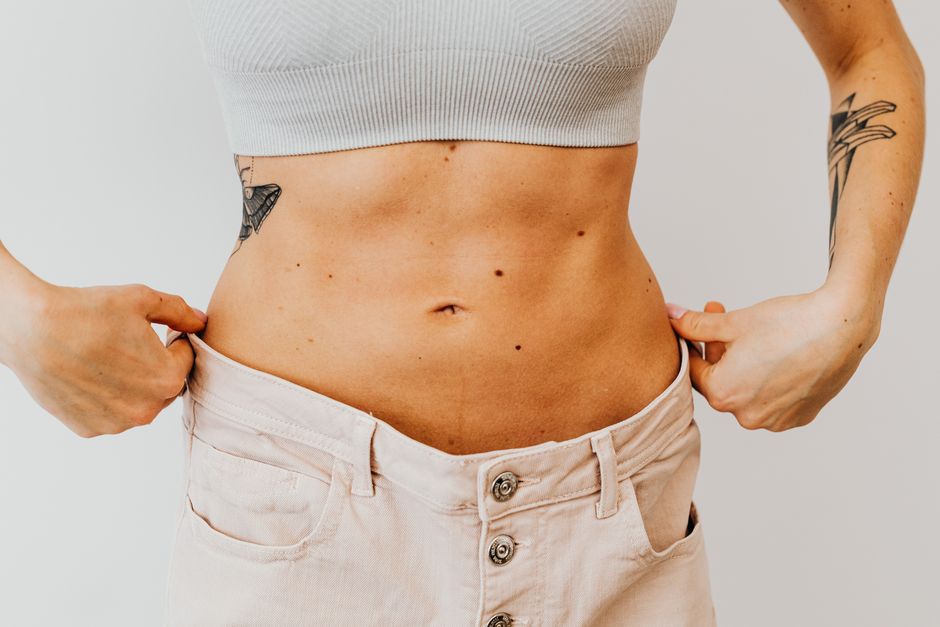
The best way to lose stomach fat is to reduce overall body fat with a manageable calorie deficit, filling meals, regular movement, and strength training. You cannot choose where fat comes off: ab exercises strengthen abdominal muscles but do not selectively remove belly fat. Track weight averages and waist measurements consistently, and judge progress over time rather than by daily scale changes.
What is the best way to lose stomach fat without crash dieting?
Use a repeatable routine that makes a modest calorie deficit easier to maintain. Start with meals built around vegetables, whole grains, and lean protein; plan regular movement; and include strength training. Mayo Clinic recommends those food choices and replacing sugary drinks. The useful test is not whether a plan feels strict for a week, but whether its basic steps fit ordinary days.
The Centers for Disease Control and Prevention (CDC) says people who lose weight gradually—about 1 to 2 pounds per week—are more likely to keep it off than people who lose weight faster. That figure is the CDC's published guidance, not a promise or a required weekly target for every person. The CDC also includes healthy eating patterns, physical activity, enough sleep, and stress management in healthy weight loss.
Make the first changes easy to observe. The CDC recommends tracking food and beverages, physical activity, sleep, and stress to identify practical adjustments. A short record can reveal patterns—such as drinks or snacks that are easy to overlook, or movement dropping on busy days—without requiring a dramatic reset.
Think in terms of a weekly system: meals that satisfy, activity you can repeat, and a simple check-in. For more food-focused ideas, see What Is the Best Diet to Lose Belly Fat? A second useful guide is How Can I Lose Stomach Fat?
Can I lose fat only from my stomach by doing ab exercises?
No. Ab exercises can strengthen and tone abdominal muscles, but they do not selectively remove the fat covering those muscles. Mayo Clinic makes this distinction directly: training the belly alone will not get rid of belly fat.
A separate systematic review and meta-analysis by Ramírez-Campillo and colleagues examined localized muscle training across 13 controlled studies and 1,158 participants. Across 37 comparisons, the pooled effect did not show detectable spot reduction. The practical translation is straightforward: train your core if you want stronger abdominal muscles, but pair it with an overall approach to fat loss if reducing abdominal fat is the goal.
Abdominal fat also includes more than the layer you can pinch. Mayo Clinic distinguishes subcutaneous fat under the skin from visceral fat deeper in the abdomen around internal organs. Exercises cannot tell the body to draw fat from one particular depot; progress comes from broader changes in body fat, and where it changes first varies.
How large should my calorie deficit be to lose fat safely?
The provided sources do not specify one calorie-deficit number that fits everyone. Rather than treating a particular daily calorie figure as universal, use a manageable change in eating and activity, then assess the trend over time. Needs vary, and the research supplied here does not establish an individualized calorie target.
The CDC's gradual-loss range—about 1 to 2 pounds a week—is a general rate associated with better weight maintenance, not an instruction to force that pace. For people with overweight or obesity, the National Heart, Lung, and Blood Institute (NHLBI) says health professionals recommend losing 5% to 10% of initial body weight over about 6 months. NHLBI also notes that a 3% to 5% loss can already improve triglyceride and blood glucose levels. These figures describe health guidance and outcomes; they are not guarantees for an individual.
Use a review point before you make the plan harsher. Compare consistent measurements and weight averages, and check whether the routine has actually been followed. If progress is unclear, first review portions, drinks, planned activity, and tracking. A small adjustment you can sustain is more useful than a large cut that makes the routine difficult to keep.
What should I eat to lose stomach fat without feeling hungry all the time?
Build meals around foods that provide volume and staying power, rather than relying on restriction alone. Mayo Clinic recommends plant-based foods, whole grains, lean protein, sensible portions, and replacing sugary drinks. This combination gives each meal a clear structure while leaving room to adjust portions to your needs.
A practical plate can start with vegetables or other plant foods, add a source of lean protein, and include a whole grain. Keep portions sensible and notice whether drinks, sauces, or frequent extras are adding more than expected. The point is not to label a food as forbidden; it is to make the routine work across most meals.
Activity supports the plan but need not be complicated. Mayo Clinic describes at least 150 minutes of moderate aerobic activity or 75 minutes of vigorous activity weekly, plus strength training at least twice a week. Those are the activity amounts cited by Mayo Clinic; choose a workable mix and build consistency. A systematic review by Yarizadeh and colleagues included 43 trials with 3,552 participants and found aerobic, resistance, and combined exercise each associated with reductions in subcutaneous abdominal fat. Its pooled comparison found no significant difference between aerobic and resistance training, so the evidence does not establish one universally superior mode.
Track the inputs that help explain the outcome. The CDC specifically recommends monitoring food and beverages, movement, sleep, and stress to identify practical changes. If hunger is making the plan hard to follow, check whether meals are built around filling foods and whether the deficit has become too aggressive, rather than adding more rules.
How to check progress without overreacting
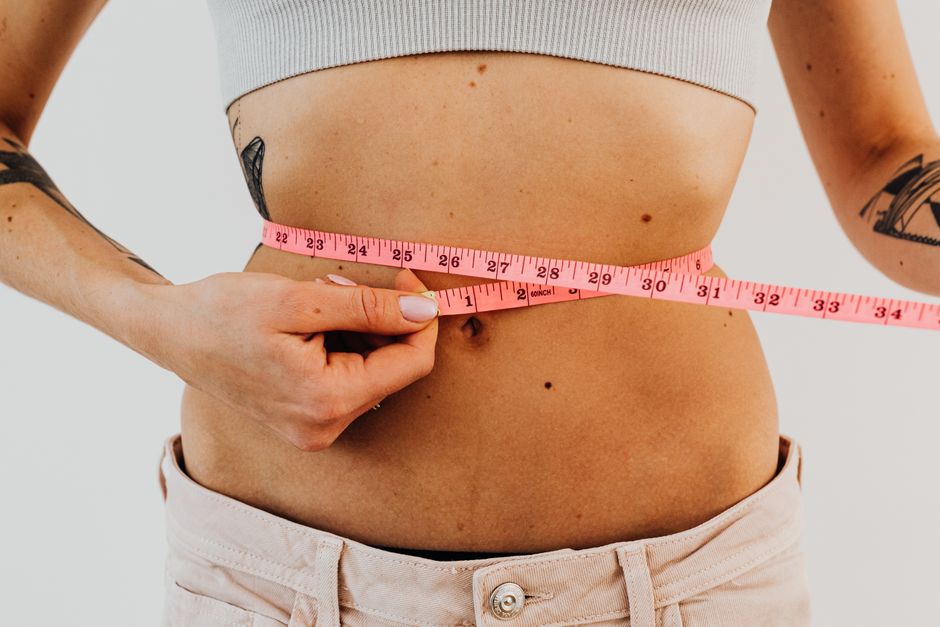
Use the same measurement method each time. NHLBI advises placing a tape just above the hipbones and measuring just after breathing out. It identifies waist circumference above 35 inches for women or 40 inches for men as associated with increased health risk; these NHLBI thresholds are risk markers, not a measure of an individual's progress or a diagnosis.
Compare readings across time instead of treating one measurement as a verdict. Weight and waist data answer different questions: the scale tracks total body weight, while waist measurement helps monitor the abdomen. If the scale is stable but waist readings are trending down, record both and continue observing the pattern. If neither changes, review adherence, portions, and daily movement before adjusting.
Frequently Asked Questions
Do walking, cardio, or strength training work best for reducing belly fat?
There is no single best mode for everyone. A review of 43 trials found aerobic, resistance, and combined exercise were each associated with reductions in subcutaneous abdominal fat, while the pooled comparison between aerobic and resistance training found no significant difference. Choose activity you can repeat and include strength work as part of a sustainable routine.
Why does stomach fat seem to be the last fat I lose?
Fat loss does not happen in a chosen order, and people differ in where their bodies store fat. Mayo Clinic notes that age and genetics affect body weight and fat distribution, so a waist may change later or more slowly than other areas. Track the trend rather than expecting a specific sequence.
How can I tell whether I am losing belly fat if the scale is not changing?
Measure your waist consistently and compare readings over time, alongside weight averages rather than isolated weigh-ins. NHLBI recommends placing the tape just above the hipbones and measuring after breathing out. If both measures remain unchanged, review food portions, activity, and consistency before making a small adjustment.
Sources
- Centers for Disease Control and Prevention
- National Heart, Lung, and Blood Institute
- Mayo Clinic
- Yarizadeh et al., Advances in Nutrition
- Ramírez-Campillo et al., Human Movement
Disclaimer: This article is for general information only and is not medical advice. It is not a substitute for diagnosis or treatment by a qualified healthcare professional. Always speak to your doctor before acting on anything you read here.
Related reading
How Can I Lose Stomach Fat?
Lose stomach fat through gradual overall fat loss, track trends beyond the scale, and avoid pursuing further loss at the expense of health.

What Is the Best Diet to Lose Belly Fat?
A sustainable calorie deficit can reduce overall body fat, while filling foods and practical swaps help make it easier to maintain.

Does laser belly fat removal work?
Laser belly fat removal can modestly contour a localized area, but it is not a weight-loss method.

Under-Desk Pedal Exercisers: Useful Leg Activity Without Overclaiming
Evidence-based guidance on under-desk pedal exercisers for leg activity, desk work, comfort, and realistic weight-management expectations.