
How Can I Lose Stomach Fat?
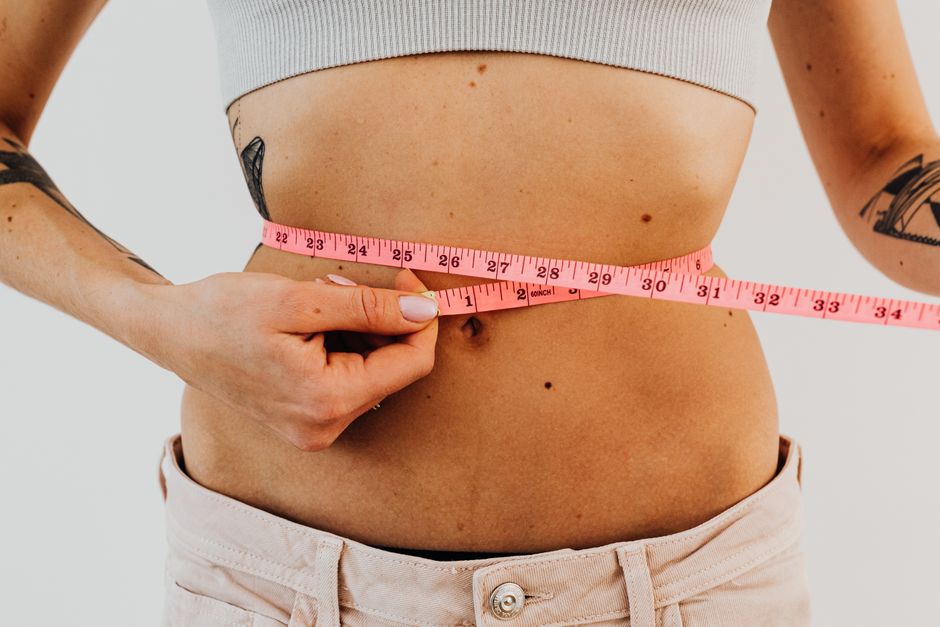
To lose stomach fat, focus on gradual overall fat loss; exercises or diets cannot reliably target fat from only the lower belly. That area may change later because fat distribution differs among people, and visible appearance can lag behind progress elsewhere. Track waist measurements, weight trends, clothing fit, and strength together, and reconsider further loss if it is rapid, difficult to sustain, or accompanied by signs of poor health.
Why am I losing weight but not losing stomach fat?
You can lose weight without seeing an immediate change in your stomach because weight loss does not happen evenly across body regions. The body draws on stored fat throughout the body; the location that looks different first is not under precise control through a particular exercise or food.
Individual fat distribution matters. A review in the International Journal of Molecular Sciences describes genetic contributions to regional fat deposition that are distinct from overall adiposity. It reports estimated heritability of waist circumference and waist-to-hip ratio of about 30%–45%, while also emphasizing that genes interact with environmental factors such as diet and lifestyle. Heritability describes variation across groups; it does not mean a person's fat distribution is fixed.
Research also cautions against assuming that all fat compartments change in the same way. In a study of 60 adults with upper-body obesity, participants lost approximately 11 kilograms, and MRI measurements showed greater reductions in visceral than subcutaneous fat in the diet-only and diet-plus-aerobic-exercise groups. That group-level result does not establish a universal sequence for where each person loses fat, or promise that a particular visible area will change on a set schedule.
Weight management can also be affected by genes, hormones, age, medical conditions, medicines, stress, and environment, according to the CDC's Steps for Losing Weight. These factors help explain why the scale and a mirror may tell different parts of the story. They do not make spot reduction possible.
Is lower belly fat usually the last fat to go?
There is no universal rule that lower-belly fat is always the last to go; the timing and pattern of visible change differ from person to person. If other areas become leaner first, that reflects individual distribution, not proof that your efforts have failed.
It is also useful to distinguish visible fat under the skin from visceral fat stored deeper in the abdomen. A person's appearance does not directly show how much of each type has changed. The study in the International Journal of Obesity found different group-level changes in visceral and subcutaneous fat during weight loss, but it cannot be used to predict the order of changes for an individual.
Rather than making a daily visual check the verdict, use repeated measures. The CDC notes that BMI does not measure belly fat and that waist circumference can help assess abdominal fat and health risk. To measure, place a tape around the middle just above the hip bones and take the measurement after breathing out. Its cited thresholds for higher risk are a waist circumference over 35 inches for women or 40 inches for men; these are health-risk reference points, not goals for appearance.
Keep conditions consistent when measuring and compare readings over time. You can also note whether clothing fits differently, whether strength is maintained, and how body weight trends over several readings. A single measurement or one day's appearance is too narrow a basis for changing a plan.
How long should I keep losing weight before my stomach changes?
There is no set duration after which everyone's stomach changes; continue only while the approach is sustainable and progress is assessed across more than appearance. The CDC describes gradual loss of about 1–2 pounds per week as more likely to be maintained than faster loss, but that range is general guidance, not a personal deadline or requirement.
Before deciding that progress has stalled, review whether the routine has been consistent and whether the measures are comparable. The CDC recommends tracking nutrition, physical activity, sleep, and stress, then regularly reviewing goals and progress. Looking at these factors together can help identify whether a change in routine or life circumstances is affecting the trend, rather than prompting an abrupt restriction in response to a frustrating mirror check.
If weight and waist trends have stopped changing over repeated checks, first revisit the records and the routine. If an adjustment is appropriate, make it measured and reassess rather than trying to force rapid loss. Weight management is affected by health and life factors, and a qualified health professional can help assess individual circumstances, including medicines or medical conditions.
More loss is not automatically better. The CDC says losing 5%–10% of body weight can improve health and well-being; for someone weighing 200 pounds, the CDC's example of a 5% reduction is 10 pounds, which may lower risk for some chronic diseases. That illustrates why progress should not be judged solely by whether every area looks leaner.
Further loss deserves prompt attention if the effort involves eating very little, excessive exercise, intense fear of weight gain, or persistent preoccupation with weight or shape. The NHS also lists periods stopping, feeling cold, dizziness, and severe tiredness among possible physical signs associated with anorexia. It advises contacting a GP as soon as possible if you think you may have anorexia, even if you are unsure; these symptoms warrant support, not a more aggressive fat-loss plan.
Frequently Asked Questions
Can genetics affect where I lose fat first?
Yes. Research reviewed in the International Journal of Molecular Sciences describes genetic contributions to regional fat distribution that are distinct from overall body fat. Genes interact with environmental factors such as diet and lifestyle, so this influence does not mean your distribution is fixed.
How can I tell if I’m making progress when my stomach looks the same?
Compare waist measurements taken consistently over time, weight trends rather than individual readings, clothing fit, and strength. The CDC also recommends tracking nutrition, physical activity, sleep, and stress as part of reviewing progress. A stable-looking stomach on a given day does not tell the whole story.
Is it healthy or realistic to try to lose all of my lower-belly fat?
There is no source-provided threshold for how much lower-belly fat a person can or should lose, and fat distribution varies. Pursuing further loss may be a reason to seek professional advice if it involves eating very little, excessive exercise, intense fear of weight gain, or physical symptoms such as dizziness or severe tiredness.
Sources
- Centers for Disease Control and Prevention — Steps for Losing Weight
- Centers for Disease Control and Prevention — Healthy Weight
- International Journal of Molecular Sciences — Gene–Environment Interactions on Body Fat Distribution
- International Journal of Obesity — Effects of sex on the change in visceral, subcutaneous adipose tissue and skeletal muscle in response to weight loss
- NHS — Symptoms of anorexia nervosa
Related reading
How Can I Reduce Belly Fat Sustainably?
Reduce belly fat through gradual overall fat loss, manageable nutrition changes, aerobic activity, and strength training—not spot reduction.

Laser Belly Fat Removal Cost: What the Quote Includes
Laser belly fat removal cost ranges from a historical $1,000–$1,600 per SculpSure area to surgical fees that exclude major expenses.

Does laser belly fat removal work?
Laser belly fat removal can modestly contour a localized area, but it is not a weight-loss method.

How Do I Estimate a Sports Card’s Current Market Value?
Learn to estimate a sports card’s value with recent exact-card sales, while adjusting for condition, grade, parallel, and sale type.