
Choose Stylish Sandals That Stay Comfortable All Day
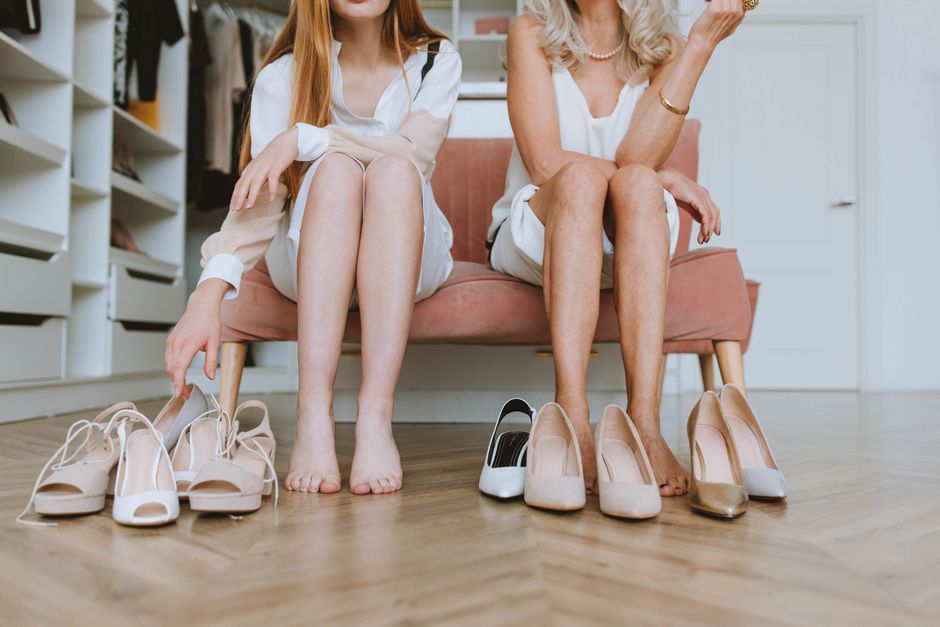
For long walking days, choose sandals with a secure heel, room for the longest toe, cushioning that absorbs impact, and soles that resist excessive twisting. Avoid treating a fashionable silhouette as proof of comfort: a stable low platform, molded footbed, or adjustable strap system can work, while flat flip-flops and loose slides are poor choices for long distances.
The puzzle is straightforward: the sandal that looks least restrictive can create the most work for the foot. Comfort is not merely softness. It is control of three problems that accumulate over a day of walking: impact, foot motion inside the sandal, and the shear forces that produce blisters.
What are the most comfortable sandals for walking all day?
The most comfortable sandals for all-day walking are those that combine a stable, cushioned sole with a secure heel and enough room for the toes. Harvard Health Publishing recommends a wide padded heel, a wide toe box, and sufficient cushioning to absorb walking impact; it also advises shoppers to walk in footwear and reject any pair that rubs or feels uncomfortable immediately.
That last instruction matters because a sandal cannot be rescued by its label. A half-size longer model does not fix compression at the ball of the foot when the width remains too narrow. Fit from the start is the useful standard, not the number printed on the box.
The best-supported construction in the supplied research is a molded-footbed sandal. In a randomized controlled trial published in BMC Musculoskeletal Disorders, 108 adults with disabling foot pain received either footwear education alone or education plus molded-footbed flip-flop footwear for 12 weeks. The molded-footbed group improved more on the Foot Health Status Questionnaire pain domain, with an adjusted mean difference of 8.36 points. The tested design included a molded footbed, heel cup, wide straps, greater sole thickness, and a heel-to-forefoot slope. The result applies to that design, not to every sandal that uses the phrase “contoured footbed.”
| Option | Who it suits | Cost | Key limitation |
|---|---|---|---|
| Molded-footbed flip-flop footwear | Adults with foot pain; the studied design paired a molded footbed with wide straps and a heel cup | Not published | Trial findings apply to the specific molded-footbed design, not all flip-flops |
| Flat or slide sandal | Shorter wear where cushioning and support are adequate | Not published | APMA identifies inadequate cushioning and support as risks for arch and heel pain |
| Platform sandal | Wearers seeking elevation without added toe stress from a conventional high heel | Not published | May increase the likelihood of an ankle twist; APMA favors stable heels under two inches |
| Traditional flip-flop | Not published | Not published | APMA advises against long-distance walking because shock absorption and arch support are limited |
Fashion still has a place in this decision. A lower, stable platform can create a cleaner line with a wide-leg trouser, midi skirt, or loose summer dress; a molded-footbed sandal can read deliberate rather than athletic when the straps are simple and the outfit is otherwise uncluttered. The constraint is mechanical, not aesthetic: the sandal must remain stable after several hours on pavement.
Which sandals are best for a city vacation with lots of walking?
For a city vacation with lots of walking, choose the most secure sandal you can walk in comfortably from the first fitting, preferably one with a molded or cushioned footbed, a heel-holding strap, and a sole designed for traction. City travel mixes hard surfaces, stairs, transit platforms, rain, and long standing periods. A sandal that repeatedly lets the hindfoot move separately from the rest of the foot is a poor system for that environment.
The American Podiatric Medical Association is particularly direct about flip-flops: even sturdy versions offer little shock absorption and arch support, so they are not for long distances. For flats and slides, APMA similarly identifies insufficient cushioning and support as risks for arch and heel pain, and suggests choosing a sole that does not twist excessively.
Traction deserves the same scrutiny as cushioning. A study in the International Journal of Environmental Research and Public Health compared flip-flops, Crocs-style footwear, and low-top slip-resistant shoes in walking and slip trials. The alternative footwear generated more lower-extremity muscle activation under unexpected and alert slip conditions than the slip-resistant shoe. The study does not prove that every travel sandal is unsafe, but it supplies a useful diagnosis: an unsecured hindfoot changes how the foot responds when the ground does not cooperate.
For wedges and espadrilles, APMA recommends a wider, flatter wedge and a rubber sole with good traction. For platforms, Harvard Health notes a trade-off: raising both toe and heel avoids the additional toe stress associated with a conventional high heel, but the elevated base can make ankle twists more likely. Choose the low, stable version or leave the platform for a short dinner walk.
How should sandals fit so they do not cause blisters?
Sandals should fit with one-quarter to one-half inch beyond the longest toe, a snug heel that neither pinches nor slips, and no toes or heels hanging over the edge. This is not cosmetic fastidiousness. According to Harvard Health, the added toe space allows the foot to move forward while walking without jamming the toes; APMA gives the parallel warning that strappy-sandal wearers should not allow toes or heels to overhang.
Blisters are also not simply “rubbing.” A 2024 clinical review in the Journal of Athletic Training defines a friction blister as an intraepidermal tear caused by repetitive shear deformation. Its formation depends on the number of shear cycles, the skin's resilience, and the magnitude of shear deformation. In plain terms: a strap that shifts slightly on every step can become a problem even when it feels harmless in a dressing room.
Before a trip, introduce the sandals gradually while increasing time on foot. The same review reports that hikers without preconditioned footwear developed blisters more often than hikers with preconditioned footwear, 32% versus 25%. It also concludes that evidence supports becoming familiar with footwear and activity, along with densely padded acrylic socks and neoprene insoles; evidence for many other popular methods remains insufficient.
- Walk indoors first and stop if a strap rubs, the heel lifts, or the toe edge presses into the foot.
- Check fit later in the day as well as at first try-on; the sources do not publish a universal sizing rule, so comfort and clearance govern the decision.
- For toe-thong styles, do not ignore irritation. APMA warns that it can progress to blisters and possible infection.
- Choose soft, supple natural materials for strappy sandals when available; APMA specifically recommends them for this category.
The practical conclusion is blunt: do not make a vacation the break-in period. A sandal earns a place in luggage only after it has remained comfortable through ordinary walking without rubbing, slipping, or toe crowding.
Frequently Asked Questions
Are platform sandals comfortable enough for travel?
Platform sandals can be suitable for travel when the platform is low and stable, but they are not automatically the most practical walking option. Harvard Health notes that platforms raise both toes and heel, reducing added toe stress, while also warning that wearers may be more likely to twist an ankle. The American Podiatric Medical Association recommends stable heels below two inches because taller platform and high-heel styles can contribute to ball-of-foot pain and ankle injuries.
What sandal features help prevent foot pain and slipping?
Look for cushioning, a wide padded heel area, a roomy toe box, and straps that keep the heel from moving independently of the foot. Harvard Health recommends a snug heel that does not pinch or slip, while APMA advises a sole that does not twist excessively. Research on slippery conditions also found that unsecured hindfeet can make alternative footwear less efficient than slip-resistant shoes.
Should I size up in sandals if I wear half sizes?
Do not size up automatically. Harvard Health recommends choosing fit by comfort and leaving one-quarter to one-half inch beyond the longest toe; a longer size does not solve ball-of-foot compression when the sandal remains too narrow. Check that neither toes nor heels extend over the edge, then reject any pair that rubs, pinches, or slips during an in-store walk.
Sources
- American Podiatric Medical Association: Avoiding a Sandal Scandal
- Harvard Health Publishing: How to Find the Best Shoes for Foot Pain
- Journal of Athletic Training: Friction Blisters Review
- BMC Musculoskeletal Disorders: Molded-Footbed Flip-Flop Trial
- American Podiatric Medical Association: Flip-Flops
- International Journal of Environmental Research and Public Health: Footwear and Slip Conditions