
Plus Size Formal Dresses for Weddings: Choose the Right Fit
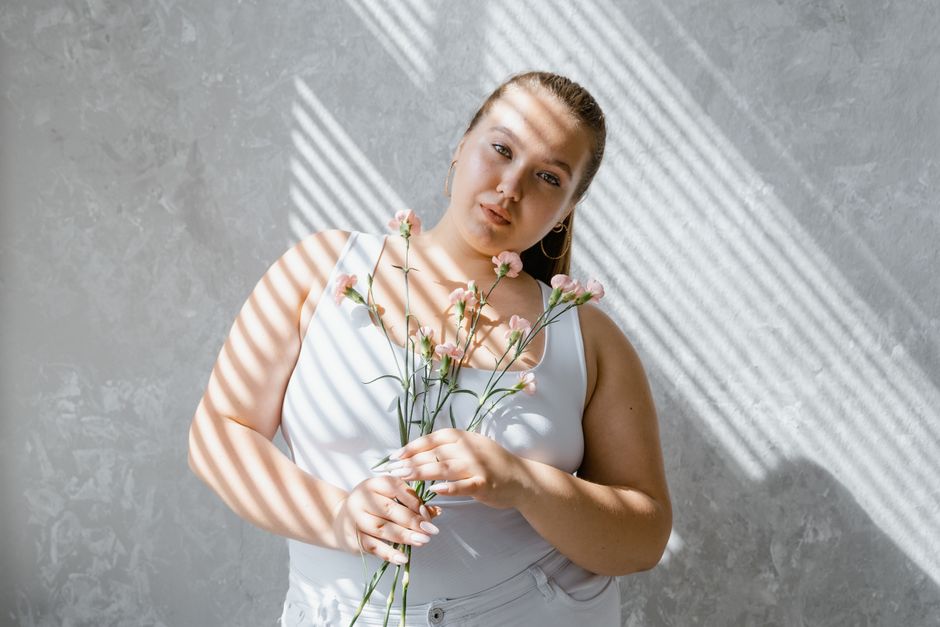
Choose plus size formal dresses for weddings by matching the invitation’s dress code first, then checking the garment’s measurements, lining and movement before ordering. For black tie, a floor-length gown is the clearest choice; a dressy cocktail or midi dress can work when the hosts allow flexibility. Compare your measurements with each brand’s size chart, check return terms, and leave time for delivery, returns and alterations.
What should I wear to a formal or black-tie wedding as a plus-size guest?
For a black-tie wedding, start with a formal floor-length gown; for black-tie optional, you have more room to choose a dressy cocktail dress or separates. The Emily Post Institute lists a formal floor-length evening gown, a dressy cocktail dress or the dressiest little black dress as options for women at black tie, and notes that black-tie optional allows dressy separates.
Vogue gives a useful default when the invitation says black tie: assume “long” unless the hosts signal a more flexible interpretation. Evening-appropriate fabrics it names include velvet, chiffon, silk and lace. If the wording is unclear or the venue suggests a less traditional event, ask the hosts to clarify rather than guessing. The goal is to match the event’s formality, not to choose embellishment for its own sake.
Make the decision in this order: dress code, length, then fabric and details. For strict black tie, a long silhouette is the most direct match. For black-tie optional, a polished cocktail dress or dressy separates may fit the wider range described by Emily Post. A midi length is a practical possibility only when the hosts’ interpretation allows a shorter dress; Vogue notes that shorter cocktail dresses can work when hosts treat black tie flexibly.
Include the venue when choosing shoes and hem length. Vogue points out that gravel, pavement and lawn can make stilettos impractical. A dress that suits the dress code still needs to work on the surfaces you will cross, so consider stable footwear and whether the hem will drag or catch.
Should I choose a floor-length gown or a midi dress for a formal wedding?
Choose a floor-length gown for the clearest black-tie match, and consider a midi dress when the invitation or hosts allow a more flexible interpretation. This is a dress-code decision first; comfort and venue conditions help settle the choice after that.
A gown aligns directly with Emily Post’s formal floor-length option and Vogue’s general rule that black tie means long. A midi dress can reduce the amount of fabric around the feet, but it is not an automatic substitute for a gown at a strict black-tie event. When the invitation says black-tie optional, the broader options may make a shorter dress easier to justify. When in doubt, a brief question to the hosts can prevent a costly mismatch.
Use this comparison as a decision aid. The sources do not publish dress prices or retailer-specific costs, so those cells are marked accordingly rather than estimated.
| Option | Who it suits | Cost | Key limitation |
|---|---|---|---|
| Floor-length evening gown | Guests attending strict black tie who want the clearest formal match | not published | Venue surfaces such as gravel, pavement or lawn can make some shoe choices impractical |
| Dressy cocktail dress or midi | Guests whose hosts interpret black tie flexibly, or whose invitation allows a less strict option | not published | A shorter length may not match strict black tie |
| Dressy separates | Guests attending black-tie optional events | not published | Emily Post identifies this option for black-tie optional, not strict black tie |
Regardless of length, rehearse the day’s movements before removing tags. Sit as you would at dinner, stand, walk and raise your arms. Check whether the neckline stays in place and whether the skirt lets you take a comfortable step. If you plan to wear specific undergarments, try them with the dress; a change in support or strap placement can affect how securely the garment sits.
How do I choose the right size when plus-size dress sizing varies by brand?
Measure your body and compare the results with the size chart for the exact dress, because U.S. sizes vary widely and one brand’s label is not a reliable comparison with another’s. The Grinnell College Center for Careers, Life, and Service recommends using body measurements and size charts as a general guide.
Take three measurements with a flexible tape: chest at its fullest point, waist at your natural waistline and hips at the fullest area, about 7 inches below the natural waist. Record each measurement and use the chart for the specific style, not a remembered size from another order. If the chart gives garment measurements as well as body measurements, distinguish between them: garment measurements describe the dress, while body measurements describe the person it is designed to fit.
When your measurements fall across different size recommendations, compare the dress’s construction before choosing. Look for whether the fabric has stretch and whether the lining is stretch-resistant. A study published in the Journal of Fiber Bioengineering and Informatics compared stretchable and stretch-resistant linings in women’s jackets. Participants reported easier movement in jackets with more stretchable linings, with the greatest ease when stretch extended across both back and side panels. The experiment studied jackets, not formal dresses, so use it as a clue to inspect lining and mobility rather than as a guarantee about a dress.
For an online order, read the product details for fabric, lining and closure, then check the return policy before you commit. If you are between sizes, do not assume that sizing up or down always solves the issue; the right choice depends on the chart, the fit through the areas that matter and whether the garment has give. Keep the dress unworn and unaltered until you are confident you will keep it, and verify the retailer’s actual return conditions before ordering.
Give the fitting a practical test: sit, stand, walk, reach forward and lift your arms as you might while greeting people or dancing. The fit should not depend on repeatedly pulling the neckline or skirt back into place. If it passes those checks with the undergarments and shoes you plan to wear, you have a stronger basis for deciding whether it needs alterations.
Frequently Asked Questions
What fabrics and dress features are comfortable for sitting and dancing all day?
Choose a dress that lets you sit, raise your arms and take a few dance steps without pulling or shifting. Check that the neckline stays secure and the lining does not restrict movement. A study of women's jackets found greater ease of movement with more stretchable linings, especially when stretch extended across the back and side panels; that finding is useful context, but it does not test dresses.
How far ahead should I order a formal wedding guest dress to allow for alterations?
Order with enough time to receive the dress, try it, use the return window if necessary and arrange any adjustments. The Knot says wedding-dress alterations usually take 6–8 weeks and cites an alterations specialist who recommends a first fitting consultation about 2–3 months before the event. These timelines concern wedding dresses, so confirm availability and timing directly with the alterations provider for a guest dress.
What should I check in a dress’s return policy before ordering it online?
Confirm the return deadline, whether the dress must be unworn and unaltered, and how the retailer handles return shipping and refunds. Also check whether sale items have different terms and whether delivery leaves enough time to return and reorder. The provided sources do not publish a retailer-specific return policy, so read the policy for the exact dress before buying.
Sources
Related reading
How Do I Choose Supportive Plus-Size and Curvy Swimwear That Fits?
A measurement-led guide to supportive plus-size swimwear, separate sizing, coverage, comfort, and chafing prevention for active water days.

New Riding Mowers: Choose the Right Fit for Your Yard
Choose new riding mowers by matching mower type and deck width to your yard, then compare service support and total ownership costs.
Choose the Right Seated Leg Exerciser for Strength or Mobility
Choose active resistance for voluntary leg work or a motorized mover for gentle assisted mobility, with evidence-based buying checks.
How Do I Choose Modern Eyeglass Frames That Suit Me?
Choose modern glasses that fit your face, daily routine, and prescription rather than chasing a frame trend alone.