
Which Toyota Is the Longest Lasting Toyota?
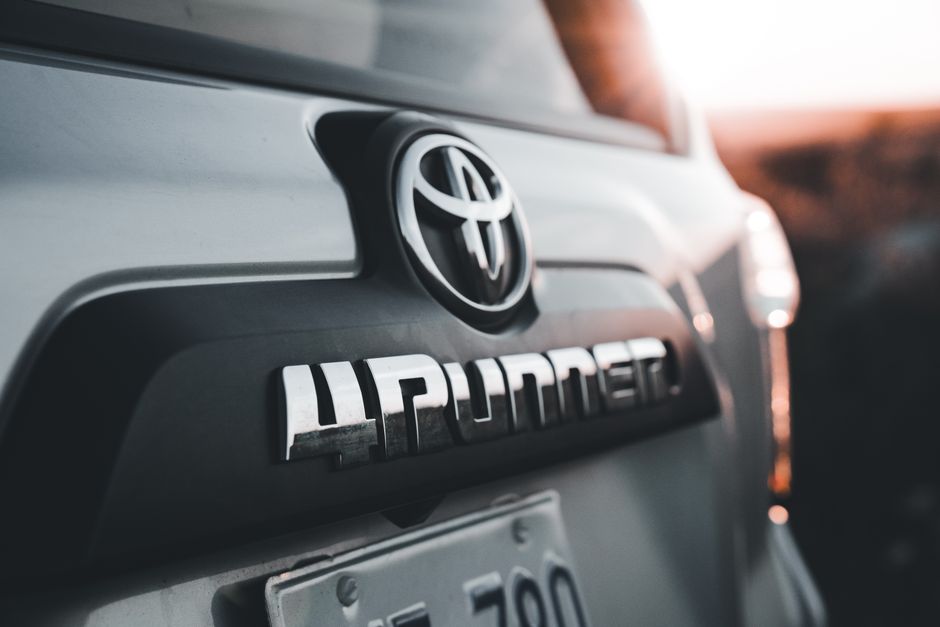
The Toyota Sequoia has the strongest model-level evidence for exceptional longevity in the 2025 iSeeCars study: an estimated 39.1% reach 250,000 miles, ahead of the 4Runner at 32.9% and Tundra at 30.0%. The million-mile Tundra is a documented outlier, not a typical lifespan. For a used Toyota, service history and condition matter more than a model’s statistical odds.
Which model of Toyota lasts the longest?
Among the Toyota models with reported estimates in the 2025 iSeeCars study, the Sequoia ranks highest for reaching 250,000 miles. It ranked first overall in the study’s comparison, followed by the 4Runner in second place; the Tundra ranked fourth.
The model estimates put the comparison in useful context:
| Model or benchmark | Estimated chance of reaching 250,000 miles | 2025 study position |
|---|---|---|
| Toyota Sequoia | 39.1% | First overall |
| Toyota 4Runner | 32.9% | Second overall |
| Toyota Tundra | 30.0% | Fourth overall |
| All vehicles | 4.8% | Overall average |
These are estimates of the share of vehicles expected to cross a mileage threshold, not predictions that a particular vehicle will do so. The 2025 methodology modeled threshold probabilities using average odometer readings by vehicle age. It analyzed more than 174 million vehicles, but a large dataset does not turn a population estimate into an individual guarantee. See the iSeeCars longest-lasting cars study for the study and its methodology.
Edition matters when comparing figures. A later version reports different estimates—42.3% for the Sequoia, 33.1% for the 4Runner, 28.2% for the Tundra, and 5.4% for all vehicles. Those later numbers should not be substituted for the 2025 estimates without identifying the edition and data year.
What Toyota made it to 1,000,000 miles?
A 2007 Toyota Tundra owned by Victor Sheppard passed 1,000,000 miles, according to Toyota USA. The case demonstrates what happened to one heavily used and extensively serviced truck; it does not show the odds that another Tundra will reach the same mark.
The annual mileage is central to understanding the story. Toyota reported that Sheppard averaged about 125,000 miles per year, driving long-haul routes for work. The truck retained its original engine, transmission, and paint, while Sheppard recorded 117 dealership service visits over nine years, including oil changes, a timing-belt replacement, and scheduled checkups.
Toyota’s follow-up account says almost every component was still functioning, with the driver-side sun-visor detent and six-digit odometer among the exceptions. Engineers also identified the bed as the area showing the most serious stress, associated with heavy equipment transported for Sheppard’s oil-and-gas-industry work. The details make this more than a headline mileage figure: the truck’s work, upkeep, and wear all form part of the evidence. They also make clear why one extreme example cannot serve as a normal lifespan forecast.
Which is the most durable Toyota car?
For the specific measure of reaching 250,000 miles, the Sequoia leads among the listed Toyota models in iSeeCars’ 2025 study, followed by the 4Runner and Tundra. The Land Cruiser was not listed in the study’s top 25, so the data supplied here cannot establish whether it is more or less likely than those models to reach the threshold.
“Most durable” can mean different things: a model’s estimated chance of crossing a mileage mark, the survival of a particular component, or the condition of an individual used vehicle. The study addresses the first question. Toyota’s Tundra story documents one vehicle’s extraordinary outcome. Neither replaces a mechanical inspection of the vehicle a buyer is considering.
For a used-car decision, the practical distinction is between a model’s track record and a specimen’s evidence. A top-ranked model can still have neglected maintenance or substantial wear; a model without a supplied ranking cannot be fairly labeled less durable based on that omission. The study’s absence of a Land Cruiser ranking is a data gap, not a negative result.
Can a Toyota last 500,000 miles?
Some Toyotas may reach 500,000 miles, but the sources here do not establish a probability that any particular Toyota—or even a model generally—will do so. The iSeeCars estimates concern 250,000 miles. Toyota’s million-mile Tundra account is an exceptional individual example, not a statistical estimate for 500,000 miles.
This threshold distinction matters. In the 2025 study, the estimated chance for all vehicles to reach 250,000 miles was 4.8%, while the Sequoia estimate was 39.1%. Those figures describe modeled population-level odds at one threshold; they do not mean the remaining vehicles stop at 249,999 miles, and they do not tell a buyer how long a specific car will last after purchase.
When assessing a high-mileage Toyota, use a sequence that tests evidence rather than reputation:
- Request service records. Compare the documented work with the manufacturer’s maintenance schedule for that exact model and year. Missing records leave uncertainty about whether routine and required work was completed.
- Review vehicle history. The U.S. Department of Justice recommends an NMVTIS vehicle-history report and an independent mechanical inspection. NMVTIS can provide title, odometer, and certain damage-history information; the DOJ also recommends consulting other vehicle-information resources.
- Inspect the actual wear and condition. Consumer Reports recommends checking tires, suspension, fluids, hoses and belts, and warning lights, as well as arranging a mechanic’s pre-purchase inspection. It gives a typical inspection cost estimate of $100–$150.
- Ask how the vehicle was used. Consumer Reports notes that a high-mileage car used for long highway commutes may have less wear than a lower-mileage car used for frequent stop-and-go trips. Mileage alone does not reveal the pattern of use.
The DOJ’s NMVTIS used-vehicle buying tips also recommend testing the vehicle under varied road conditions. Consumer Reports’ used-car inspection guide adds the maintenance-schedule and wear-item checks. Combined, these steps help translate broad longevity data into a decision about one specific vehicle.
Frequently Asked Questions
Is the Sequoia, Land Cruiser, or 4Runner more likely to reach high mileage?
In iSeeCars’ 2025 study, the Sequoia had an estimated 39.1% chance of reaching 250,000 miles and the 4Runner 32.9%. The Land Cruiser was not included in the study’s top 25, so these figures cannot establish a direct comparison with it.
Do million-mile Toyota examples mean a used Toyota is likely to last that long?
No. Toyota’s account of the million-mile Tundra describes a rare individual vehicle, not a typical lifespan. Its owner averaged about 125,000 miles per year and logged 117 dealership service visits over nine years.
How should I compare mileage statistics with an individual vehicle’s maintenance history?
Treat model statistics as background, then assess the specific vehicle. Request maintenance records and compare them with the schedule for its model year, review a vehicle-history report, and arrange an independent inspection. Consider how it was driven, since highway mileage and stop-and-go use can produce different wear.
Sources
Related reading
What Is the Most Reliable Chevy Silverado 1500 Year?
Find out what the available evidence says about Silverado reliability, 8-speed shudder reports, and how to assess a used truck.

How Do I Choose Supportive Plus-Size and Curvy Swimwear That Fits?
A measurement-led guide to supportive plus-size swimwear, separate sizing, coverage, comfort, and chafing prevention for active water days.
Used Dump Truck Cost: Build a Defensible First-Year Budget
Estimate a used dump truck's real cost with market comparisons, inspection priorities, financing checks, and a first-year operating budget.
Build a Capable Mechanic Tool Set Without Buying Too Much Too Soon
Build an automotive technician tool set in stages, prioritizing daily hand tools and delaying specialty purchases until work demands them.